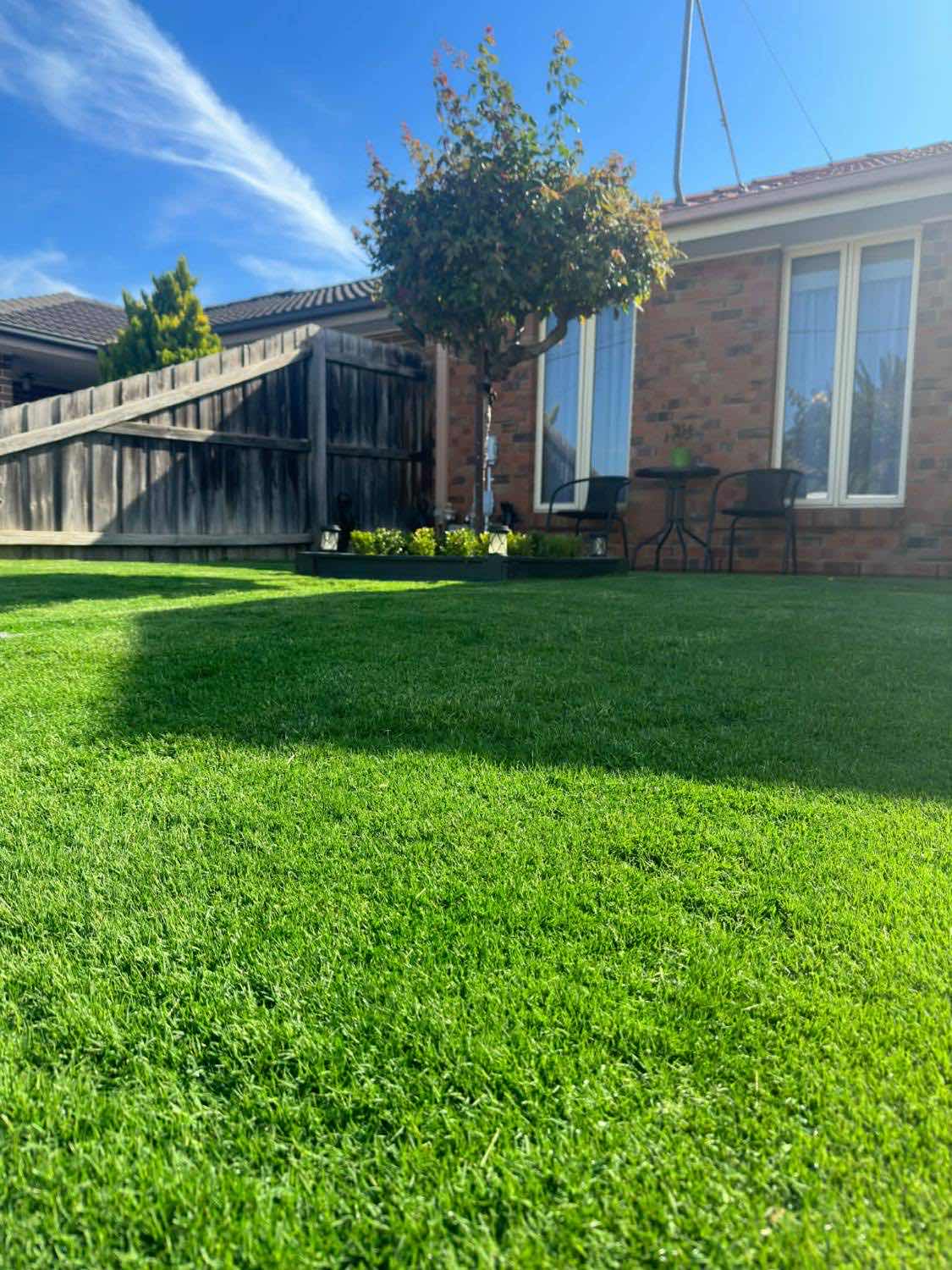
Lawn and garden construction, stage by stage.
Good lawns start below the surface. Every photo here is our own work.
The work, by stage
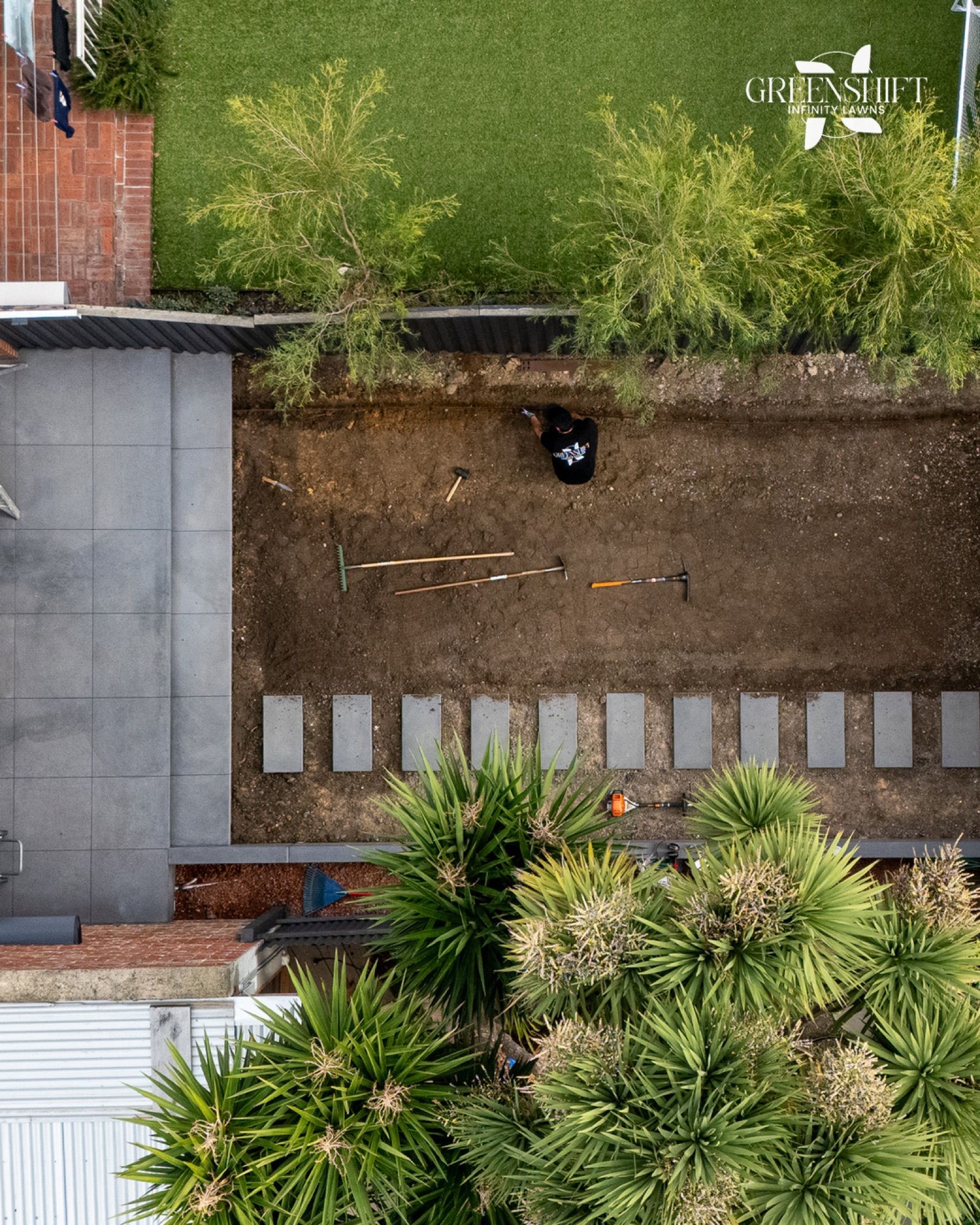
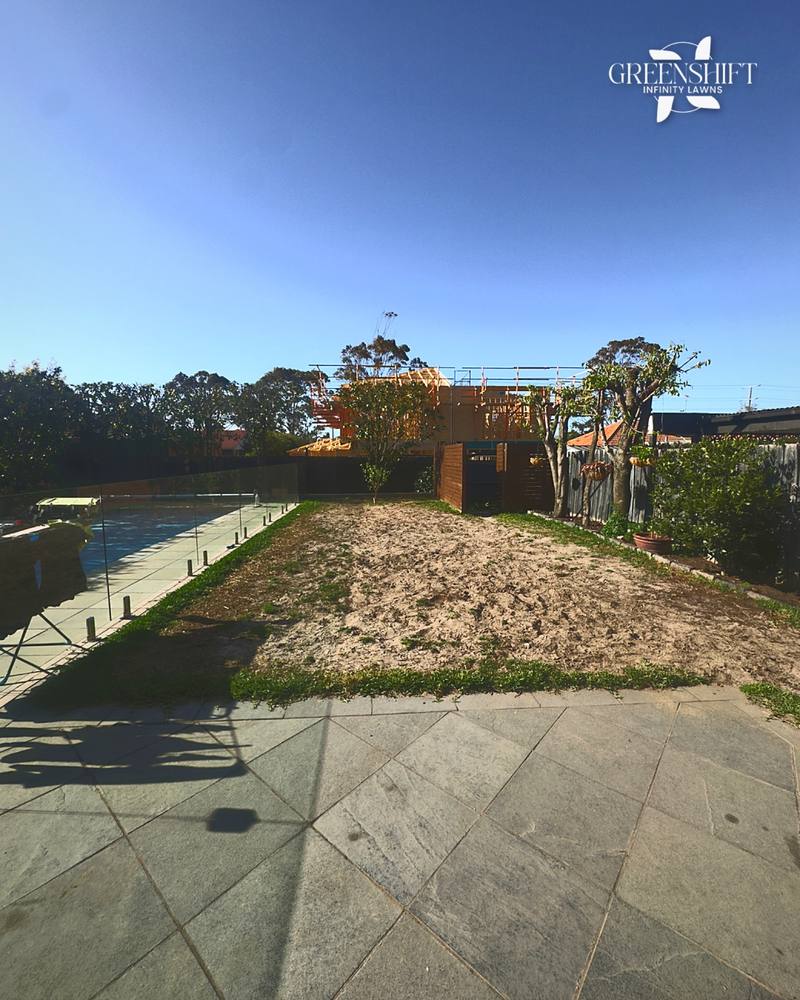
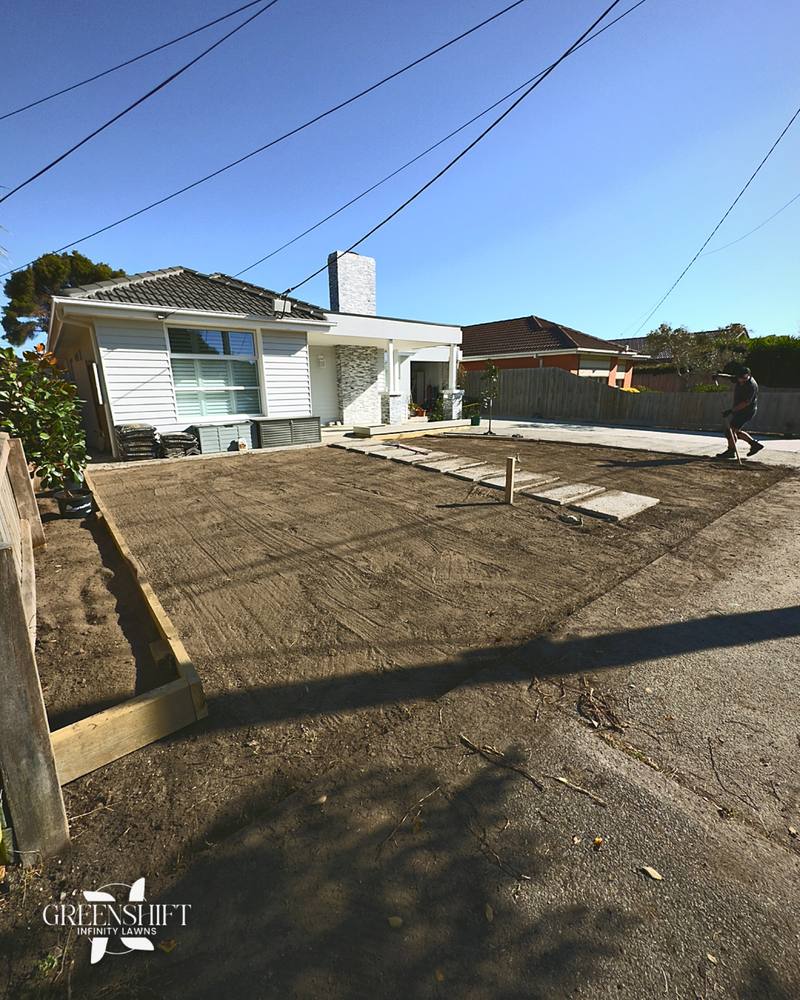
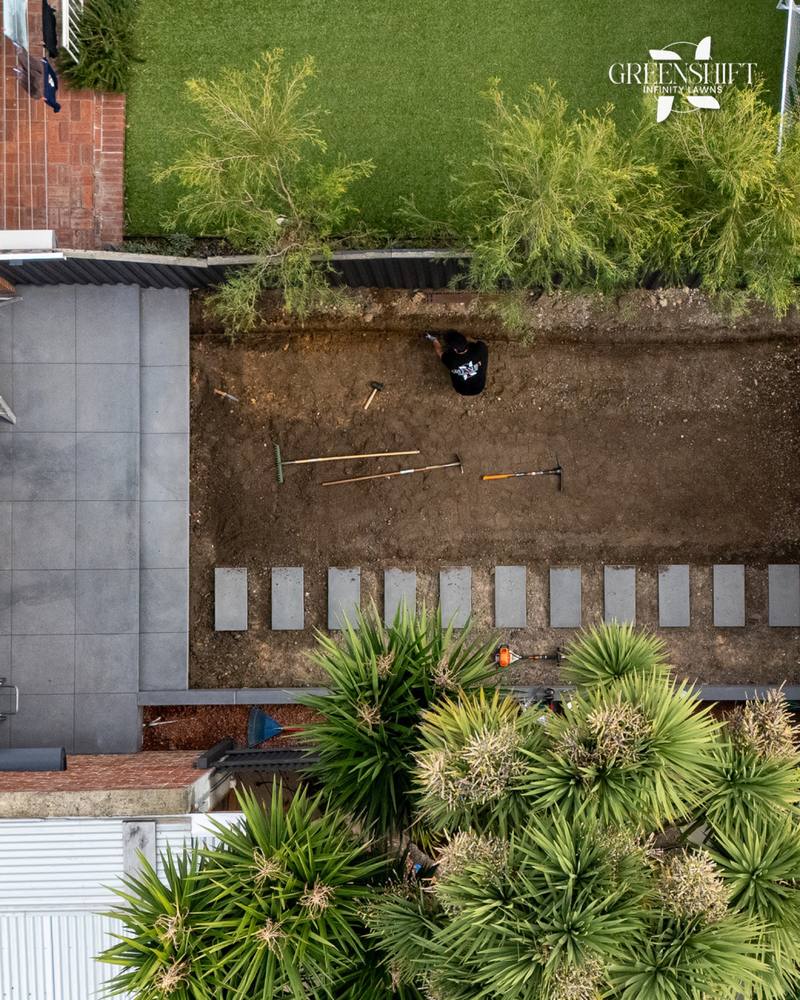
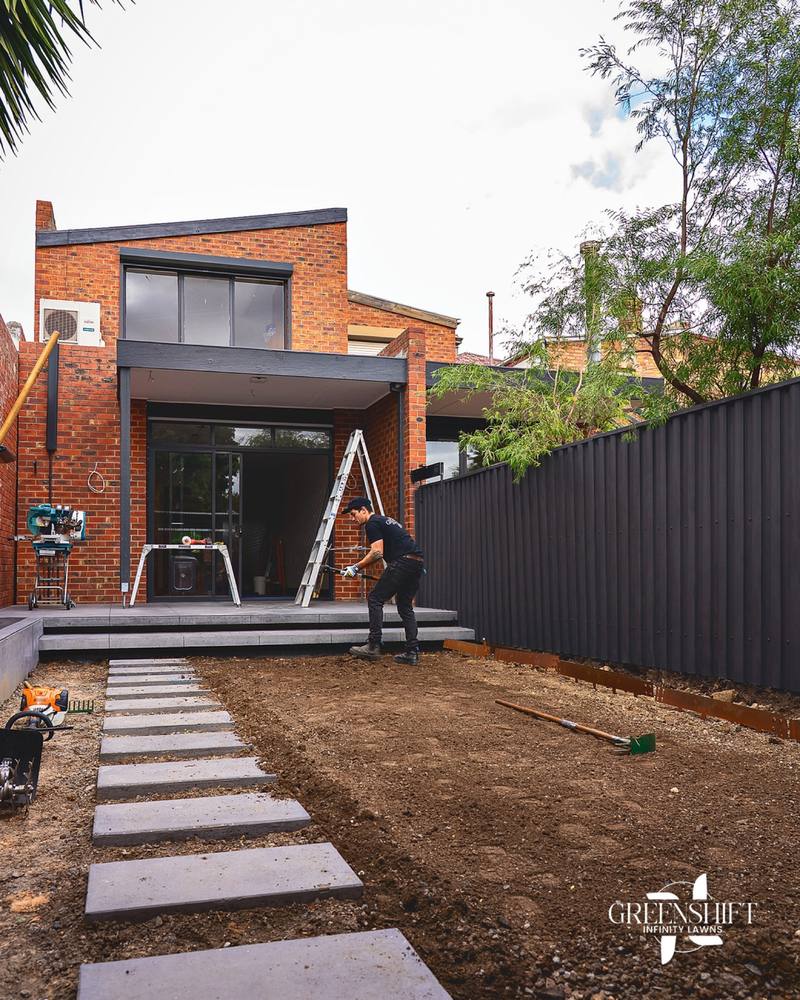
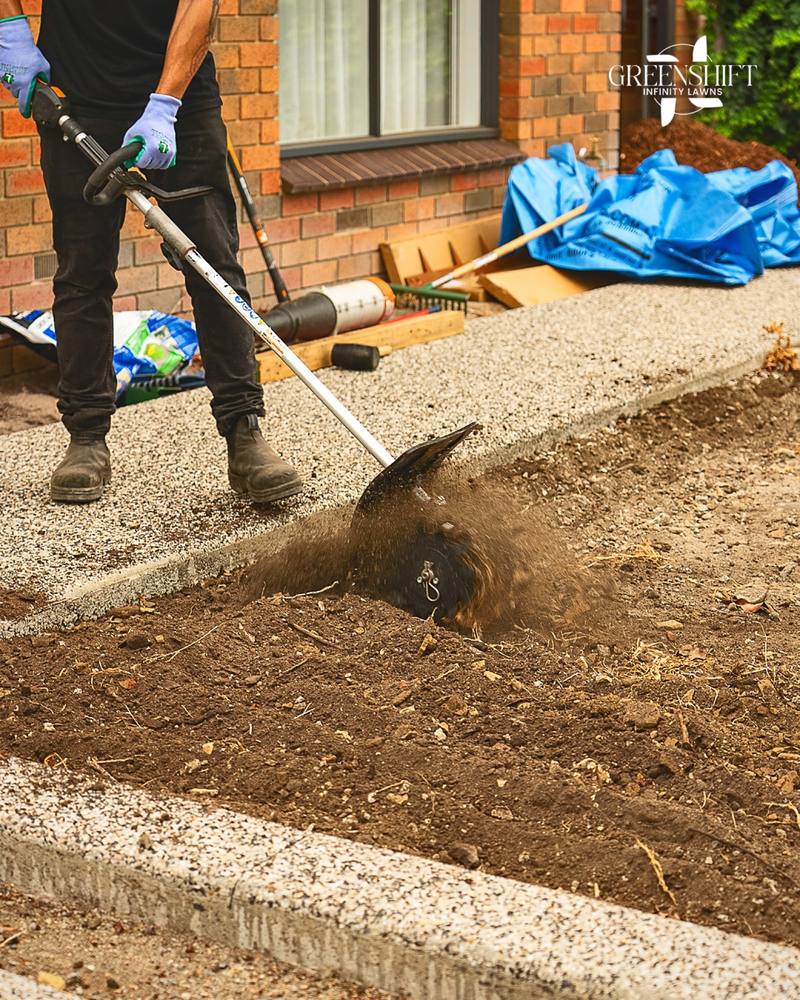
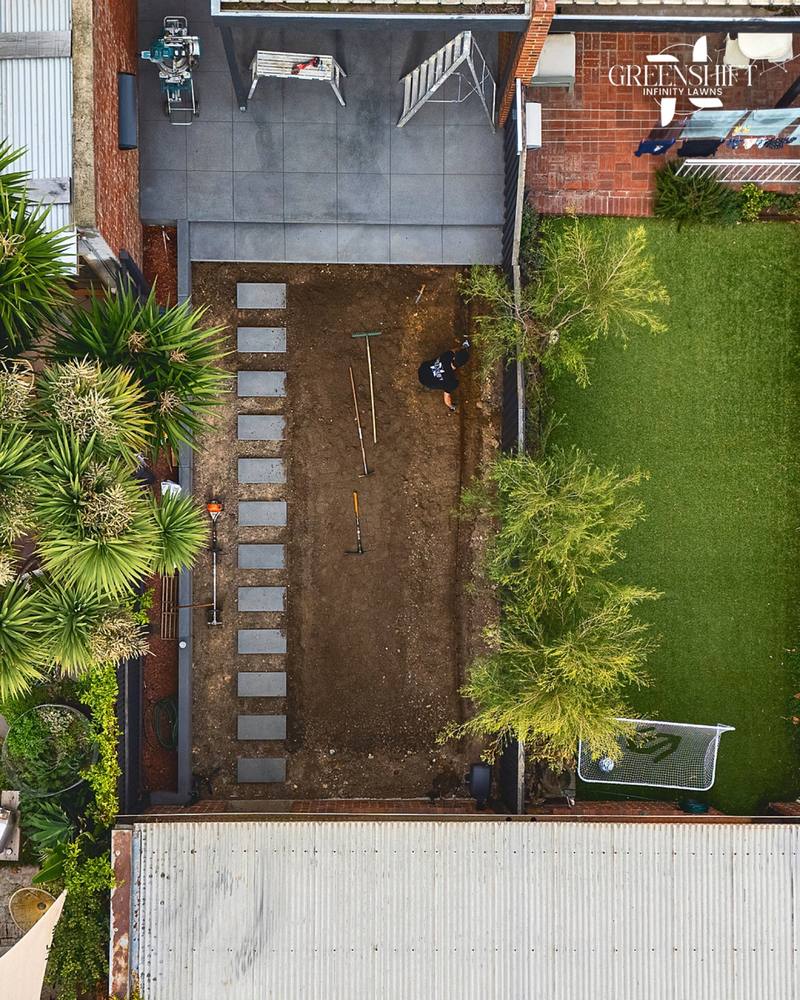
Site prep and levelling
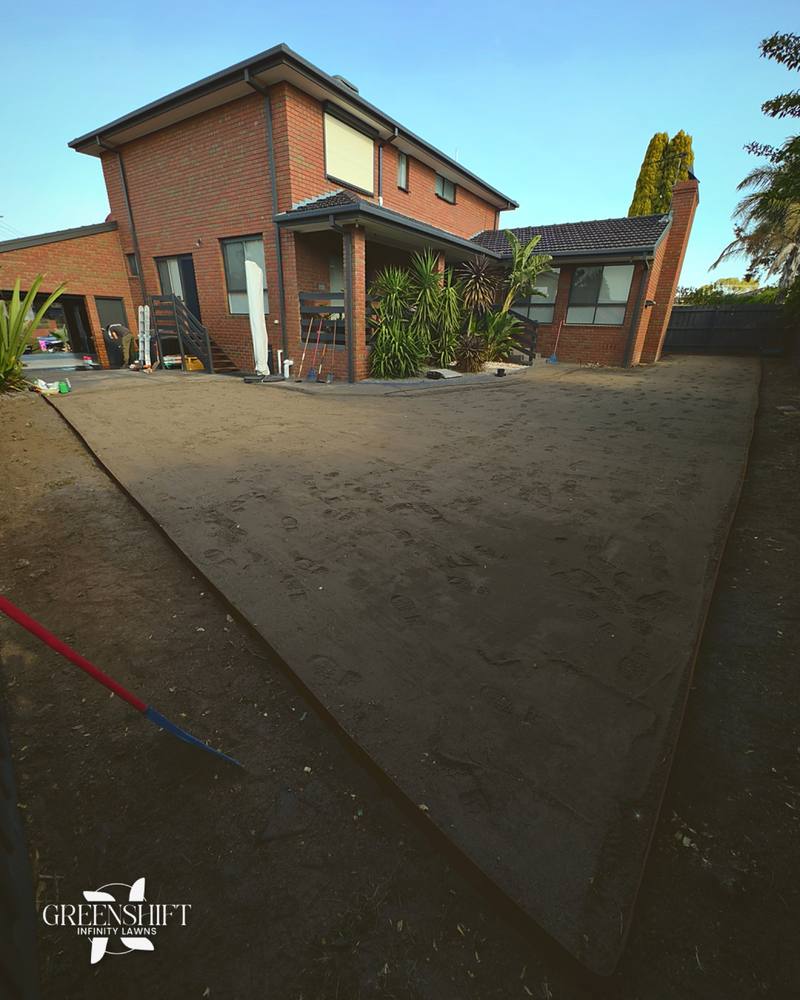
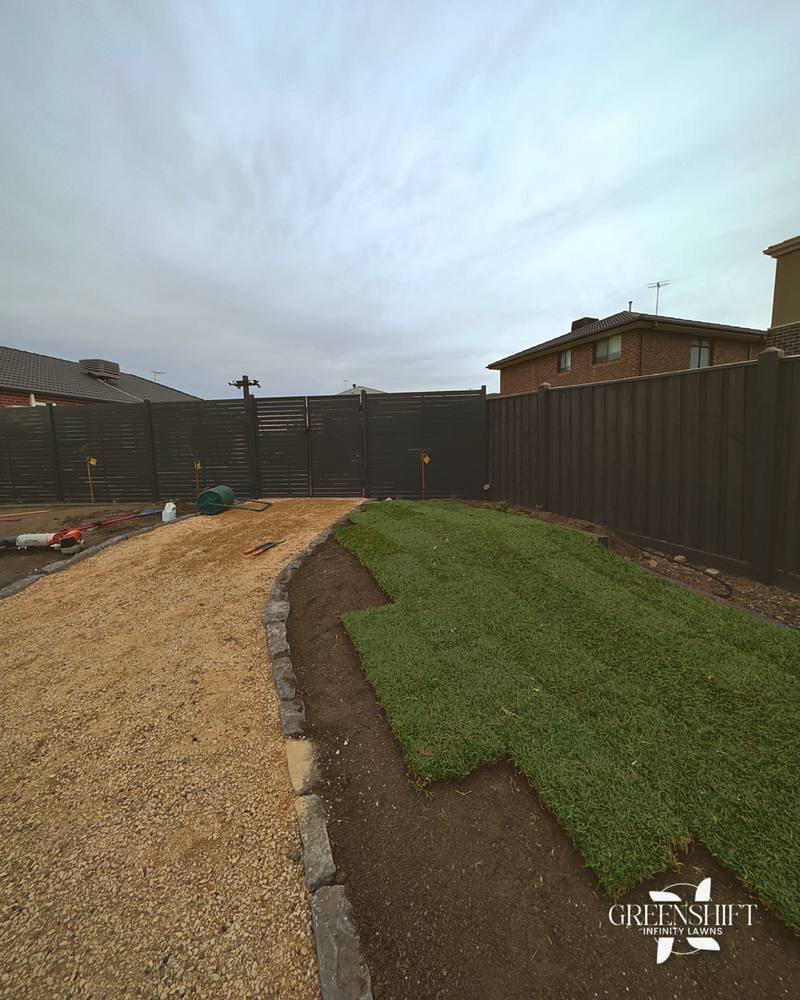
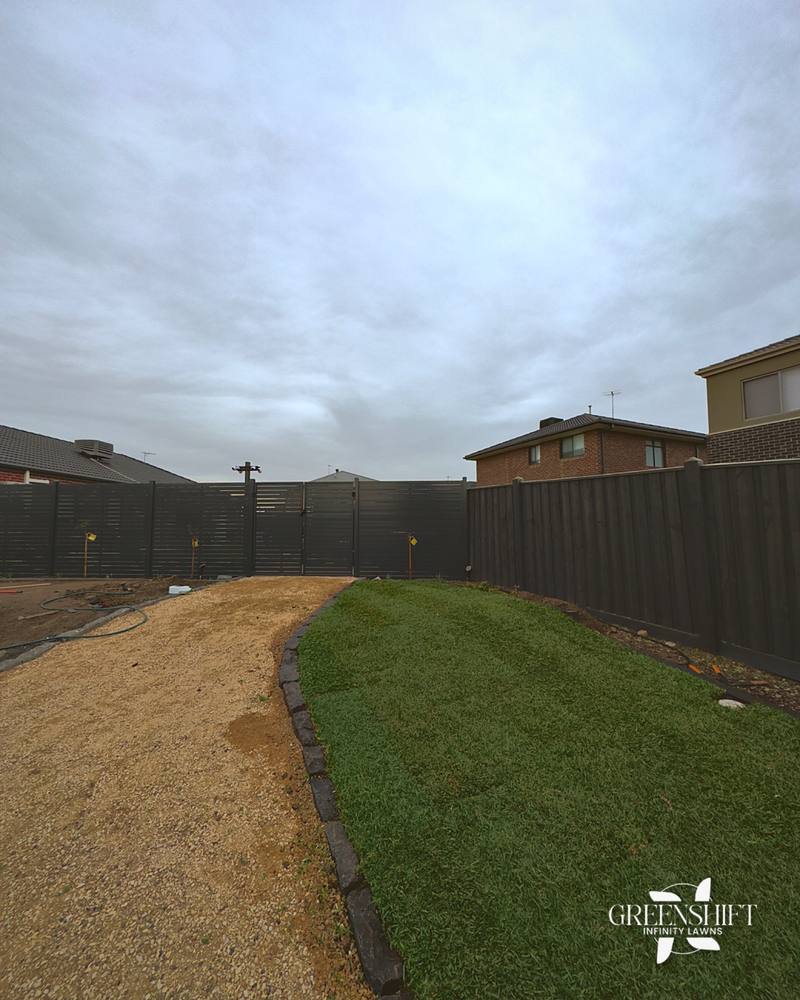
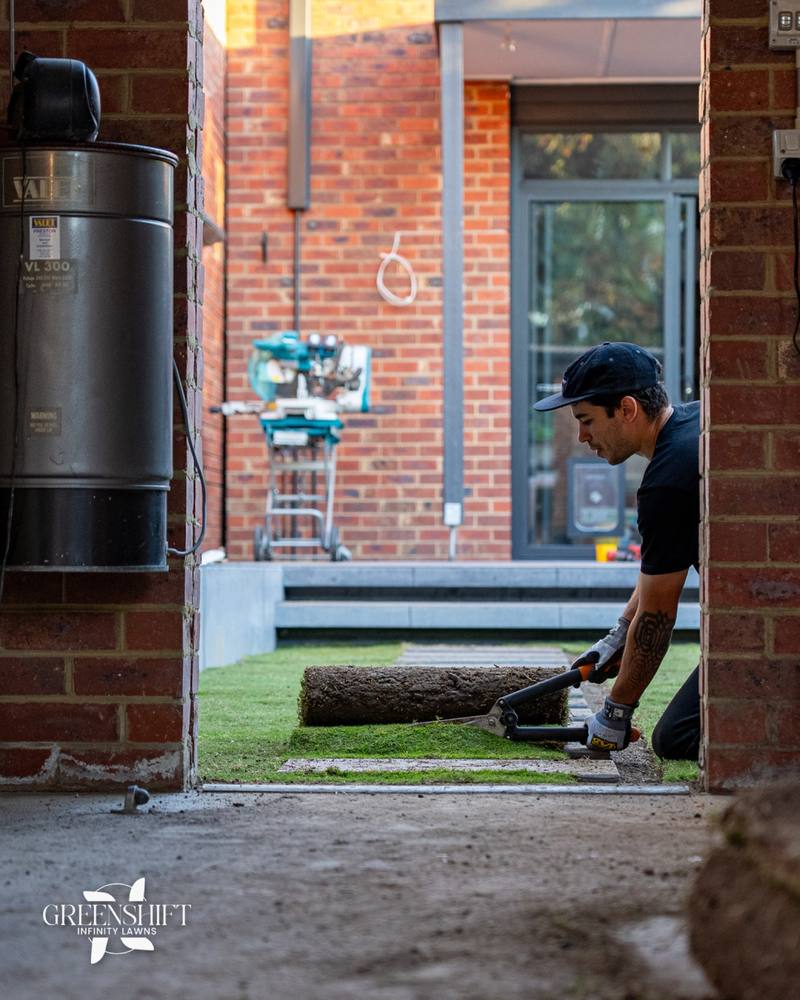
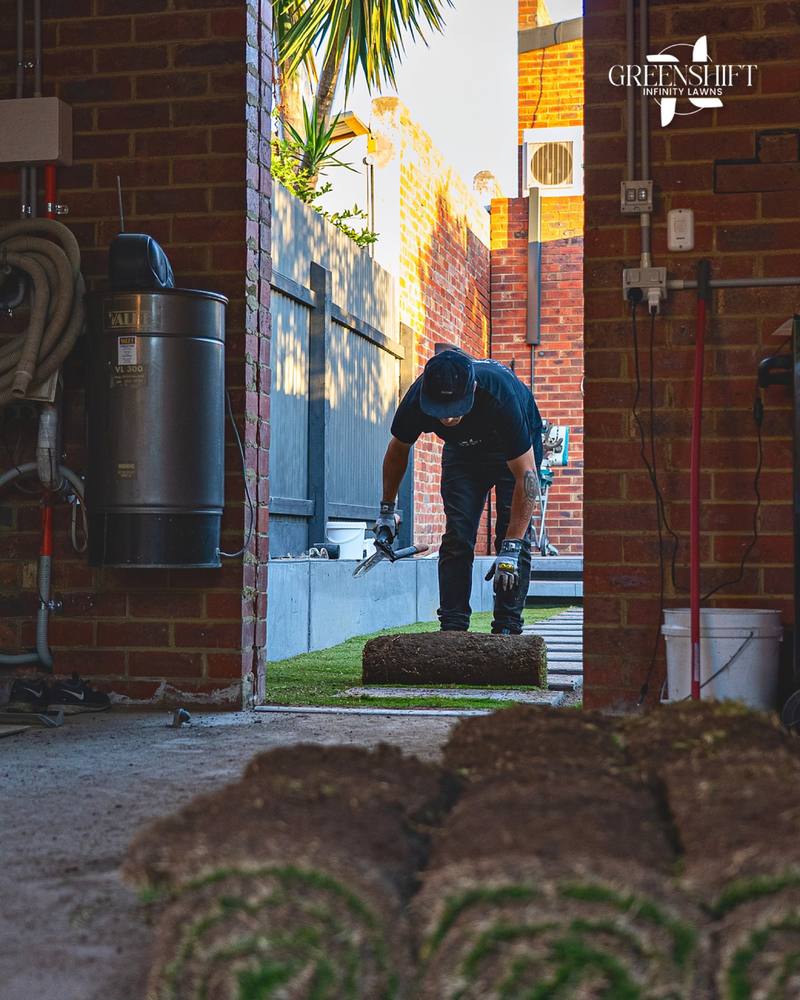
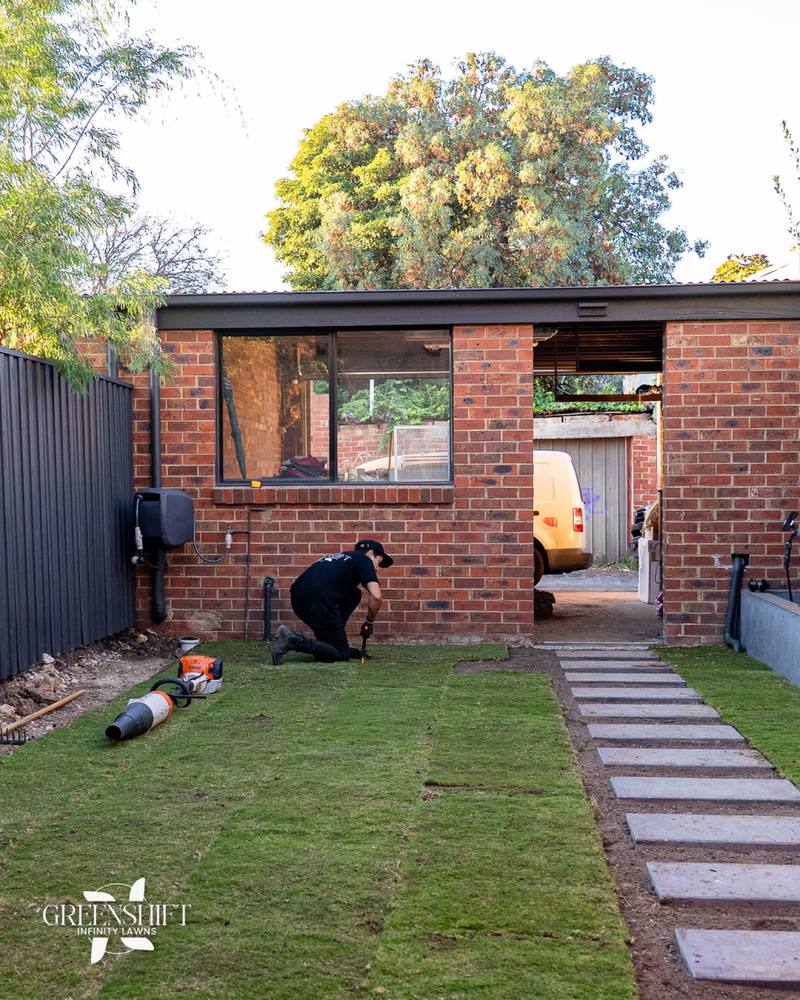
Turf installation
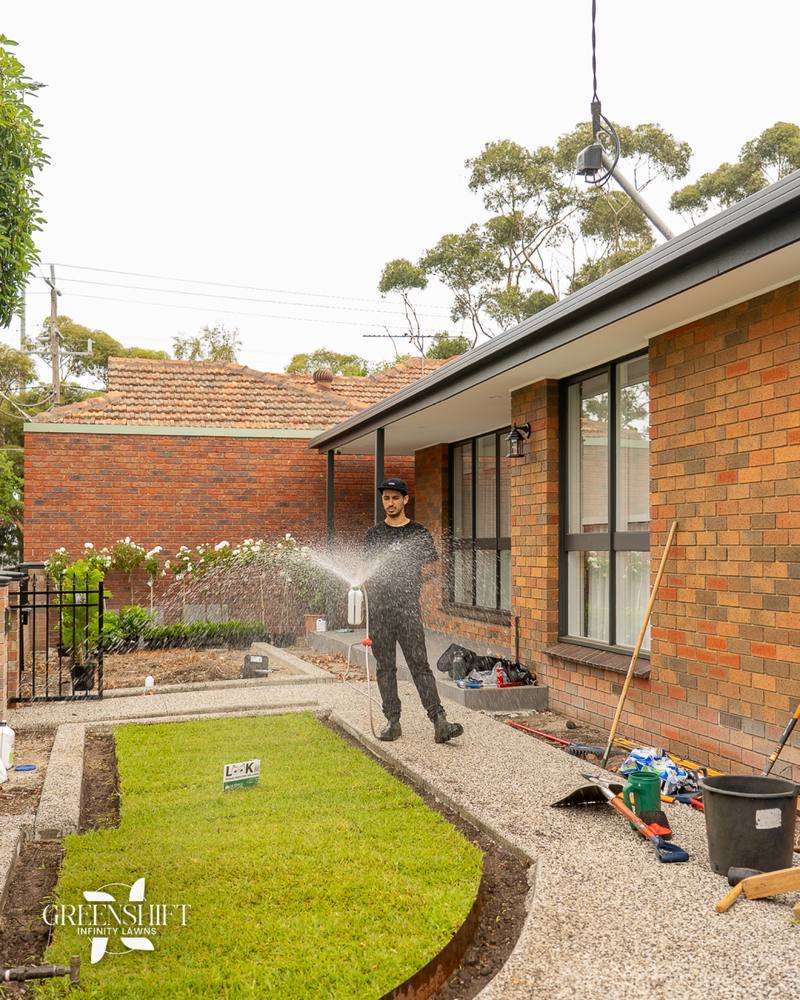
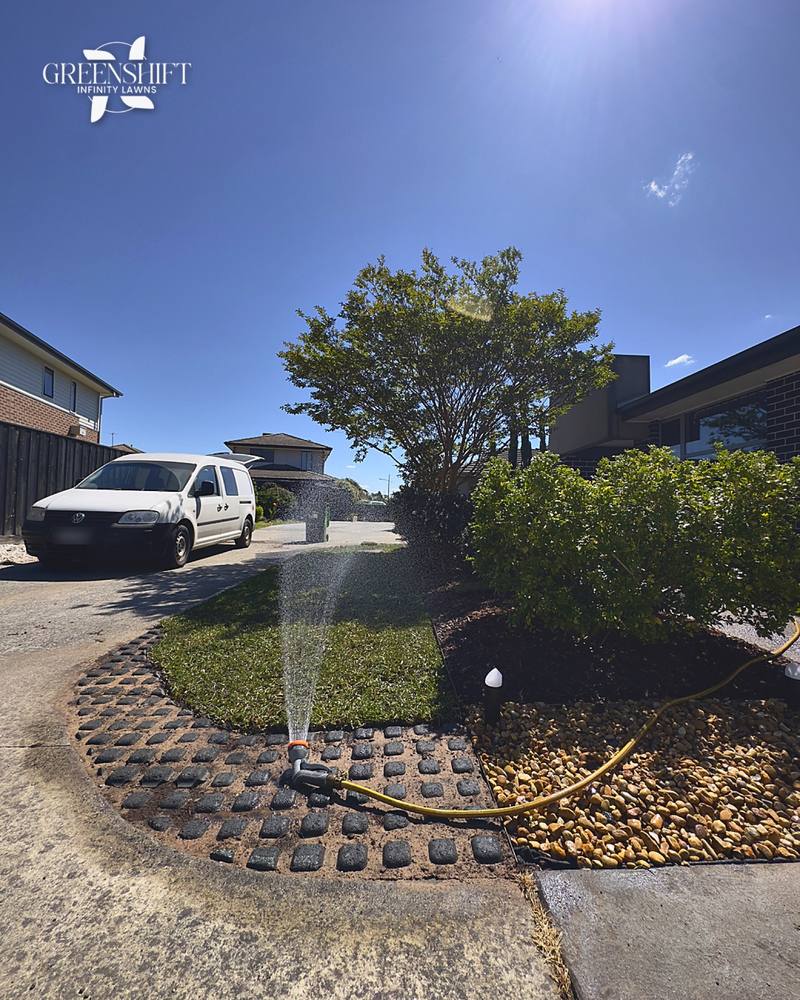
Irrigation
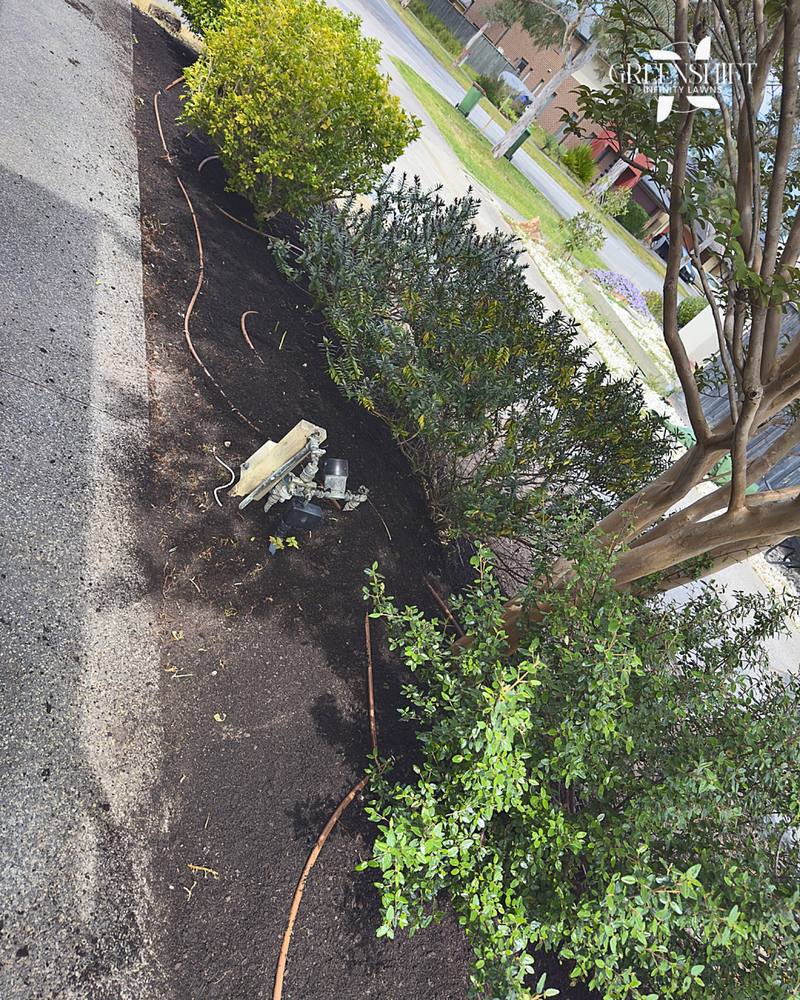
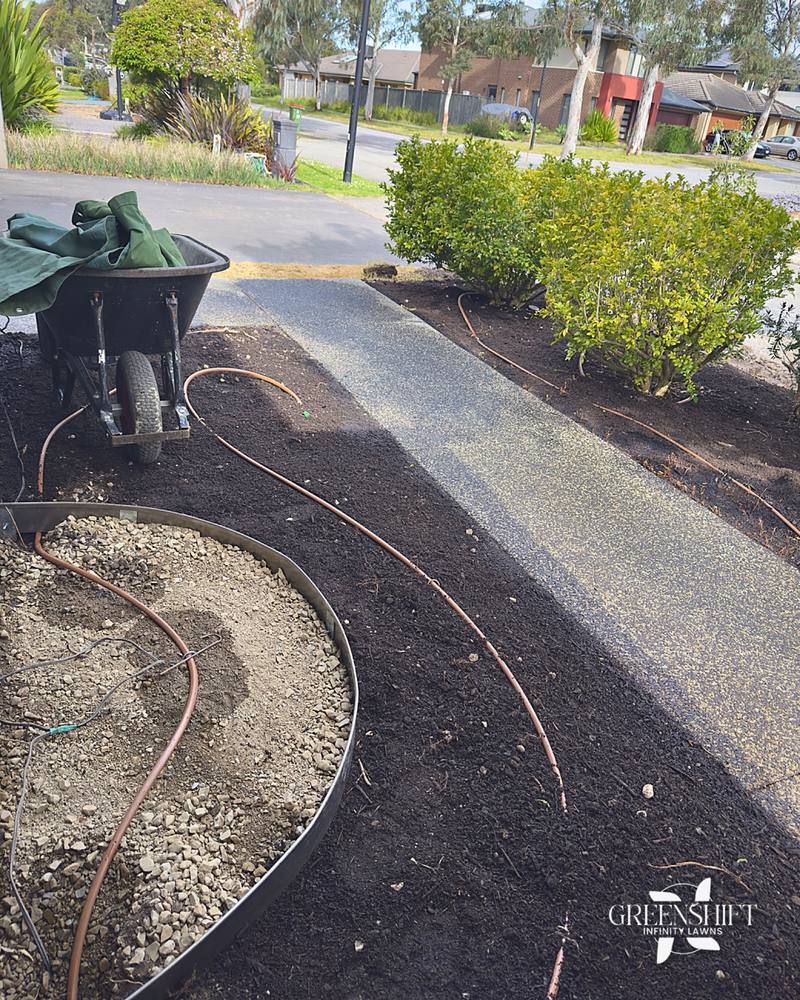
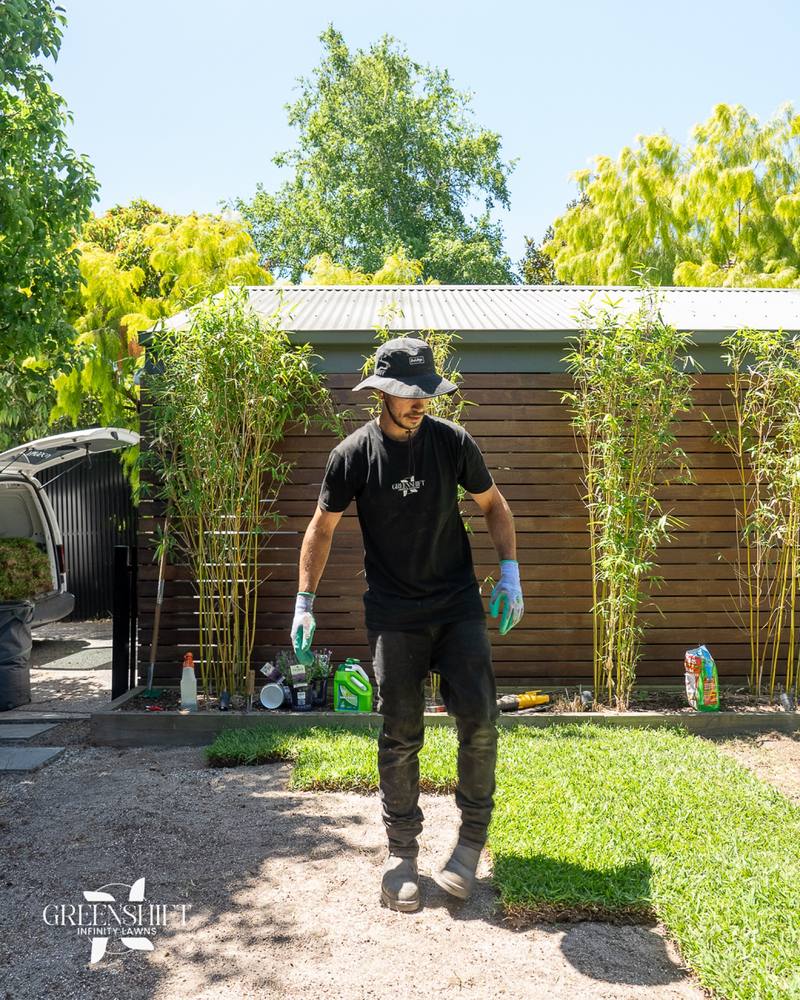
Garden beds and planting
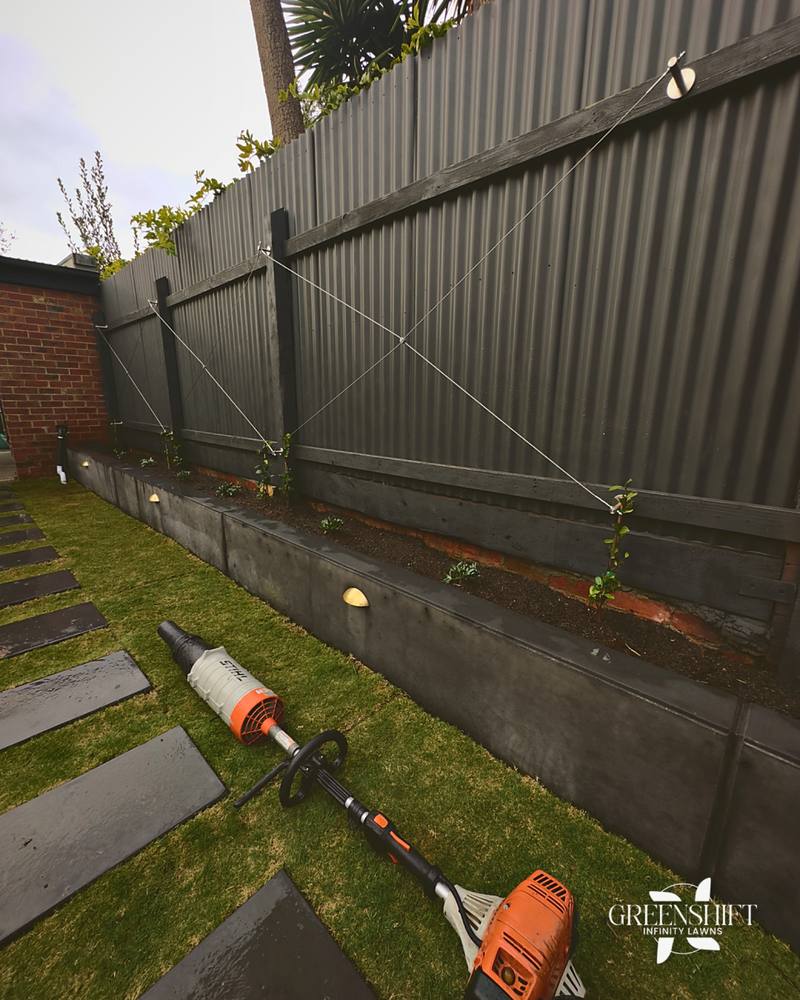
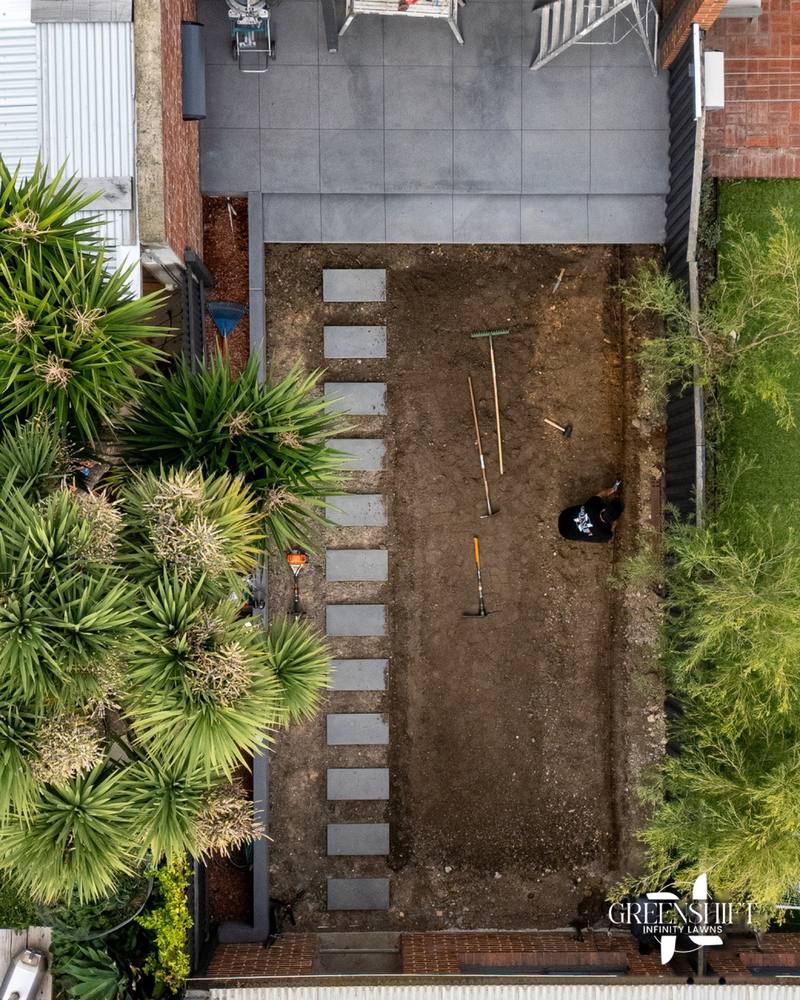
Paving, paths and hardscape
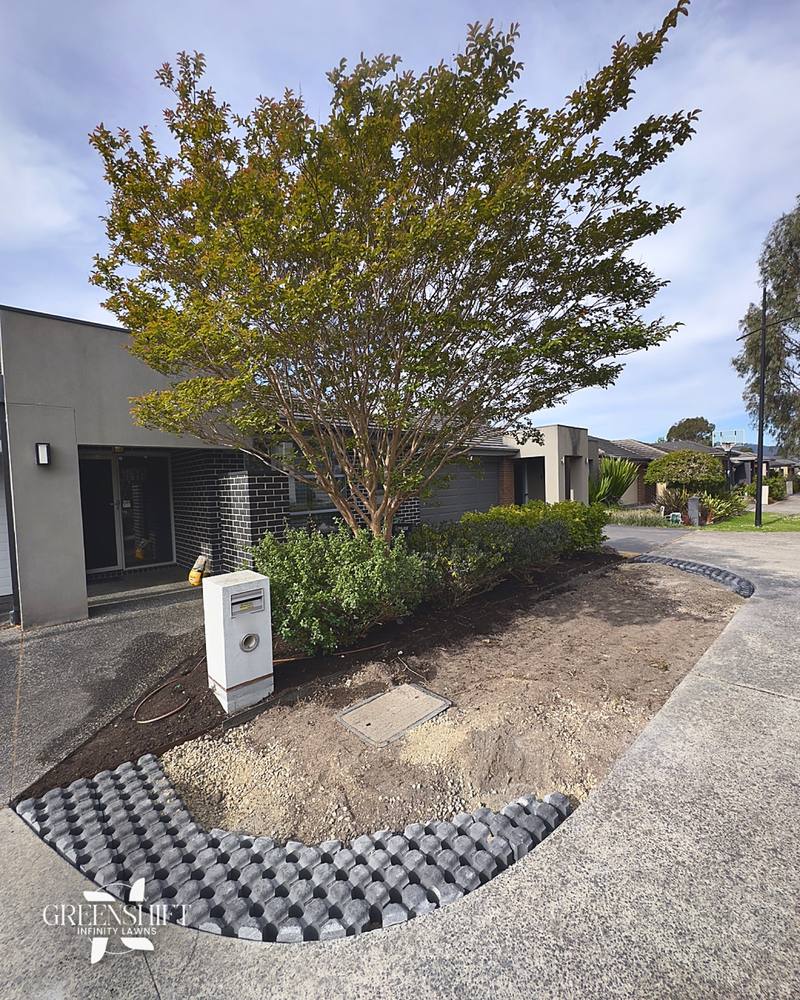
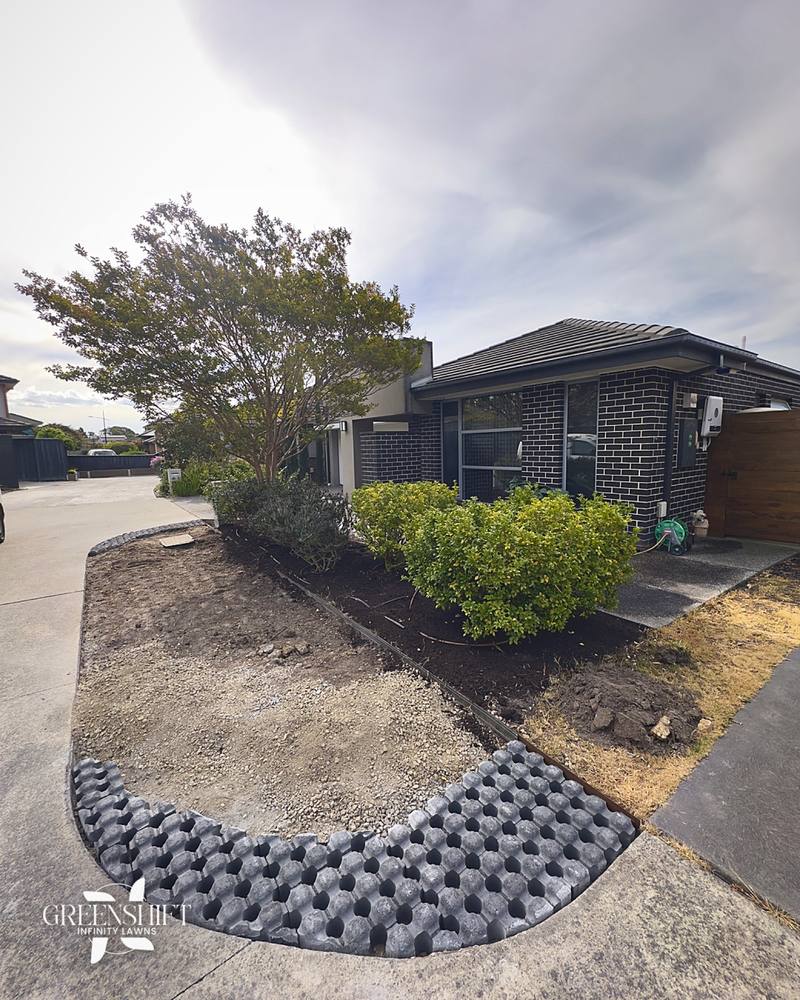
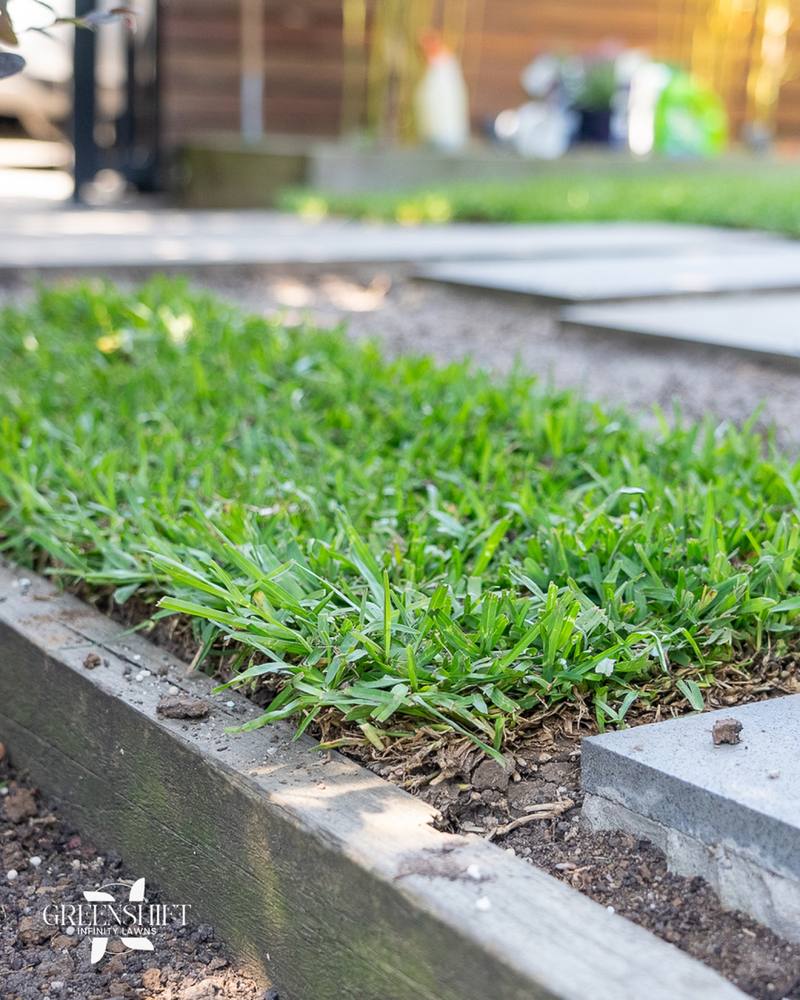
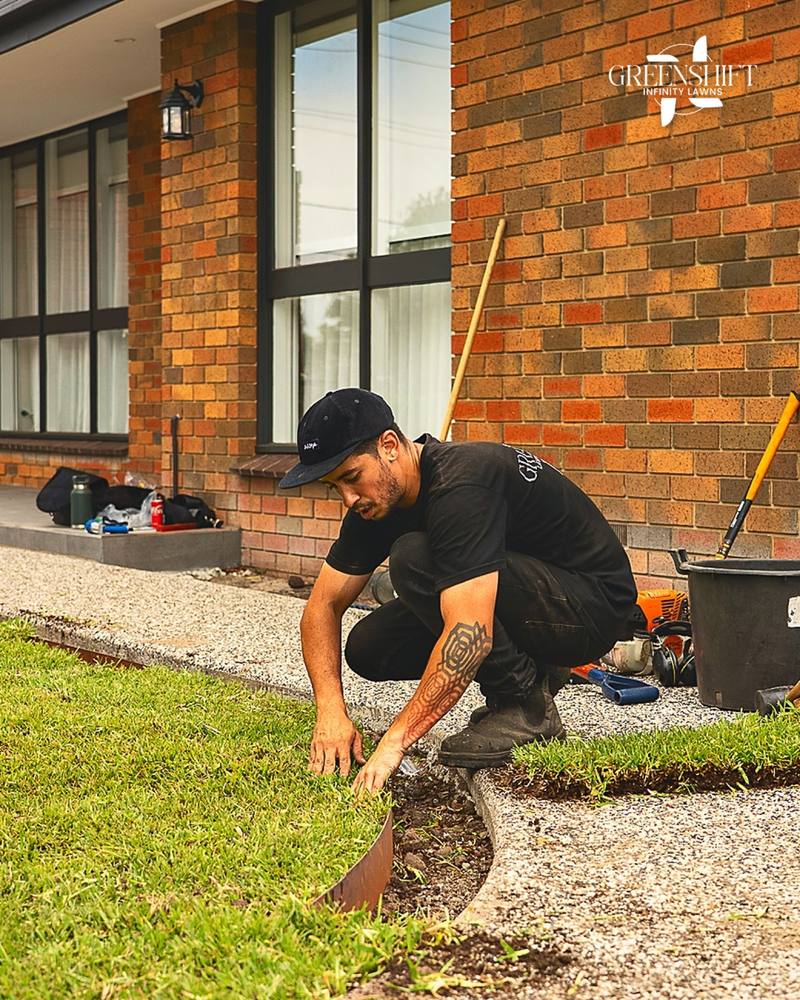
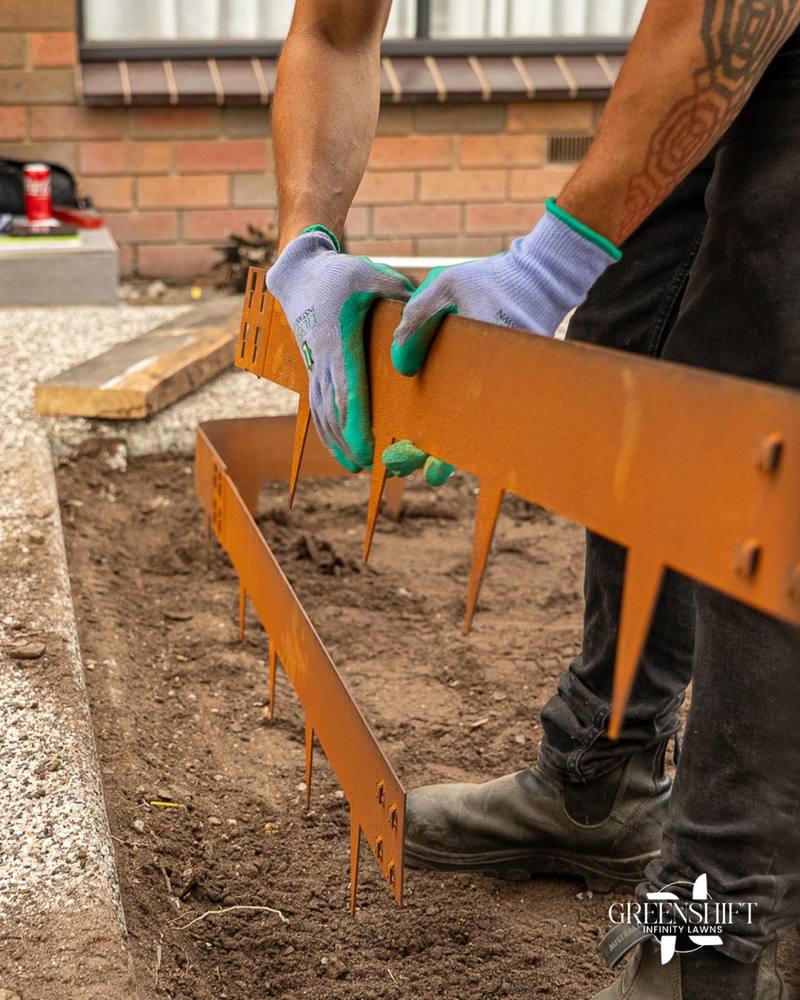
Edging
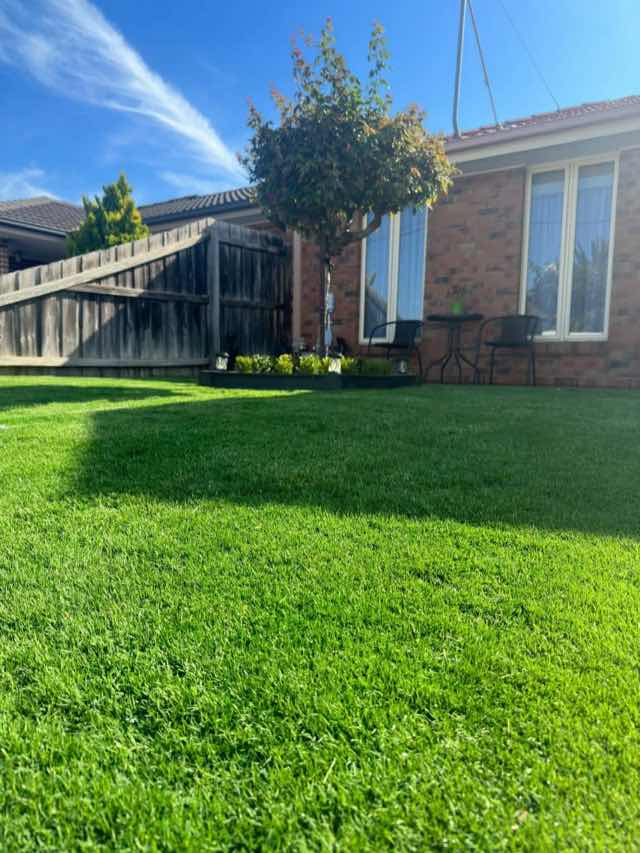
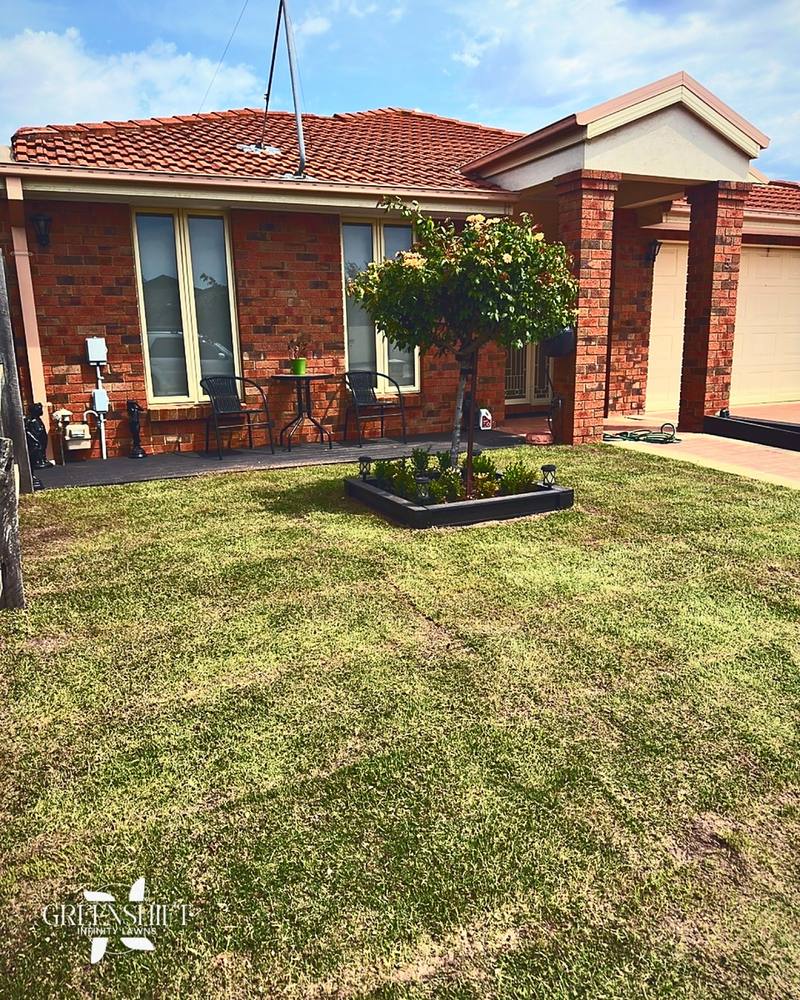
Finished builds
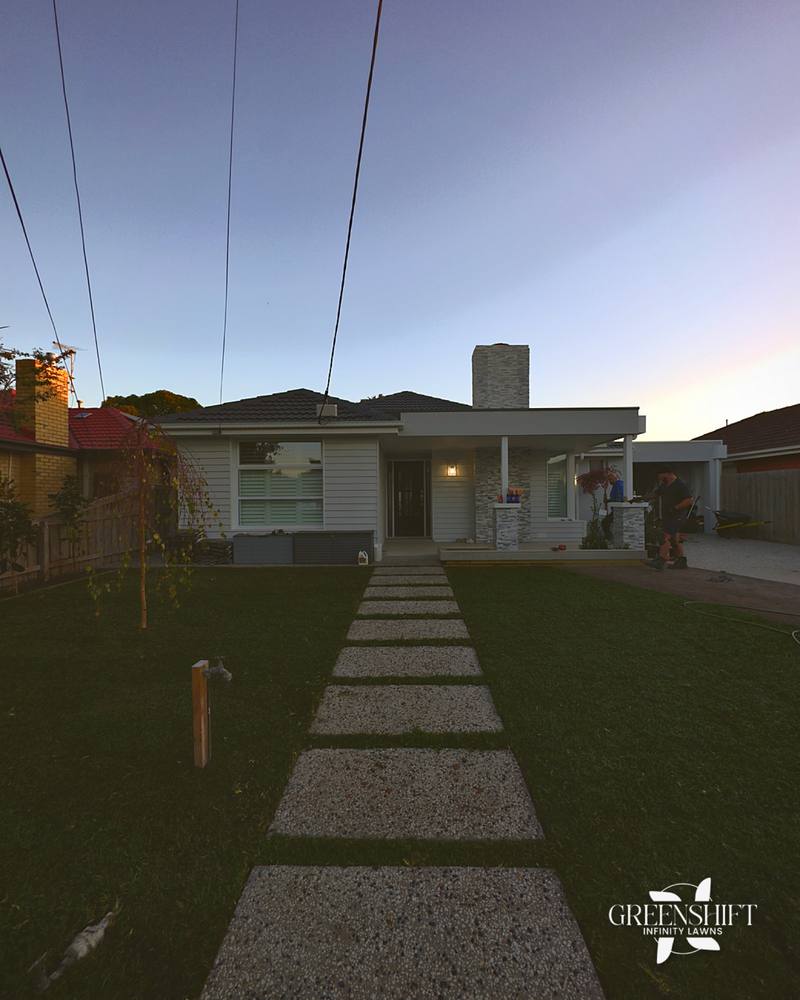
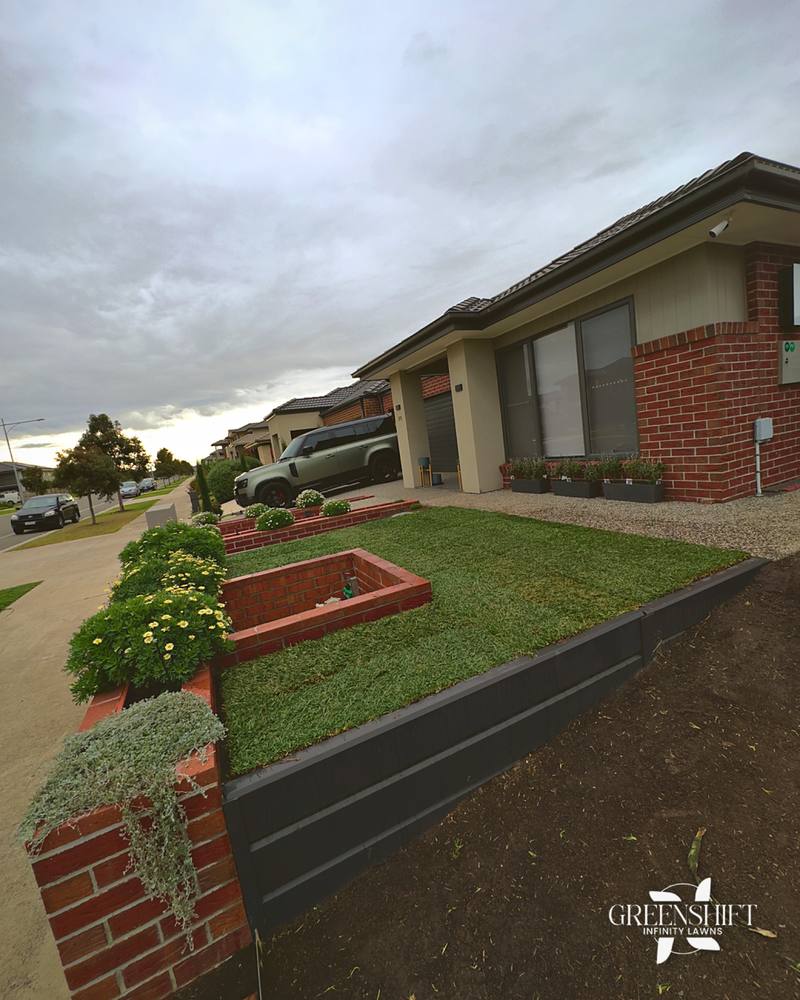
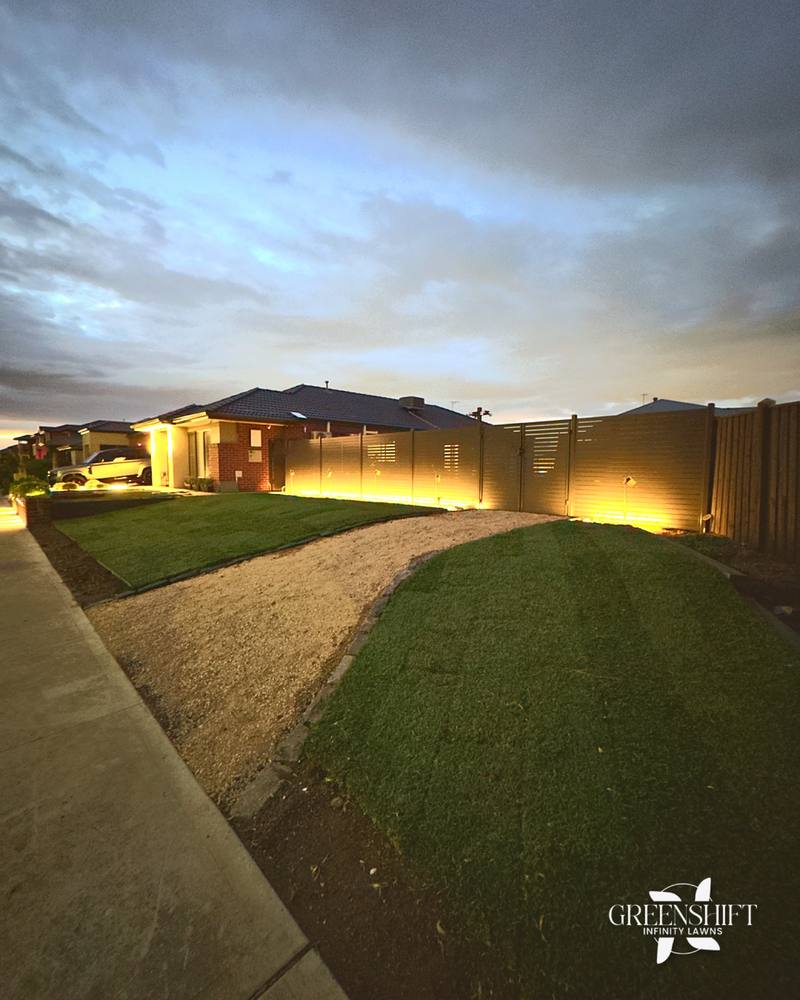
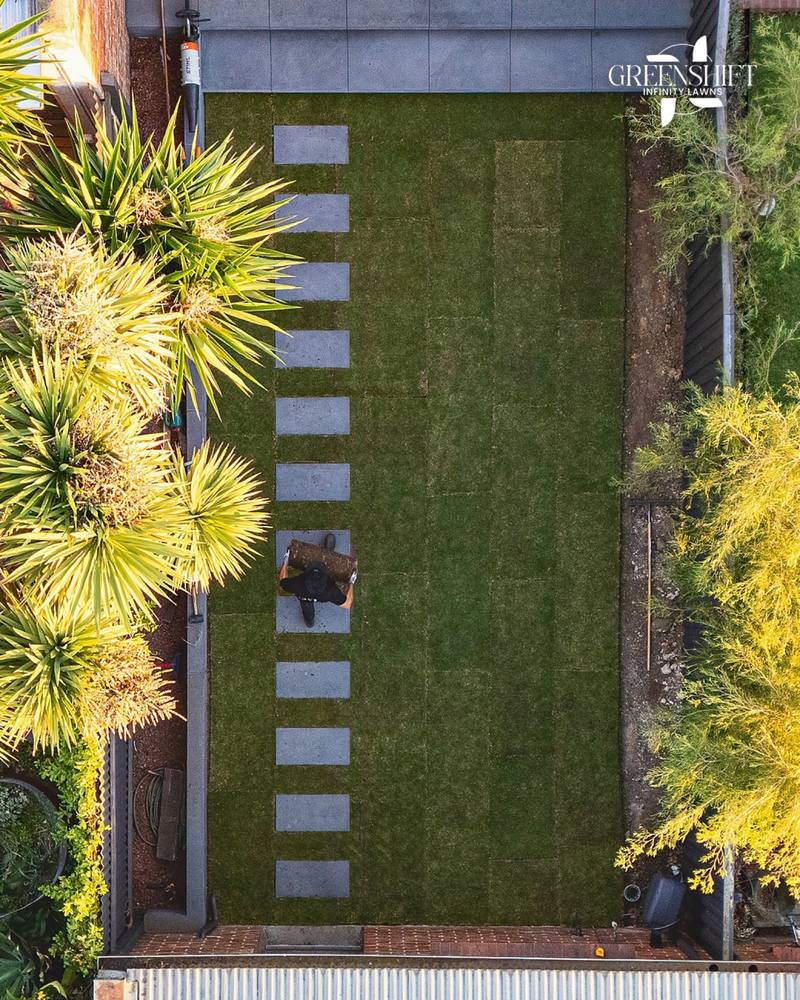
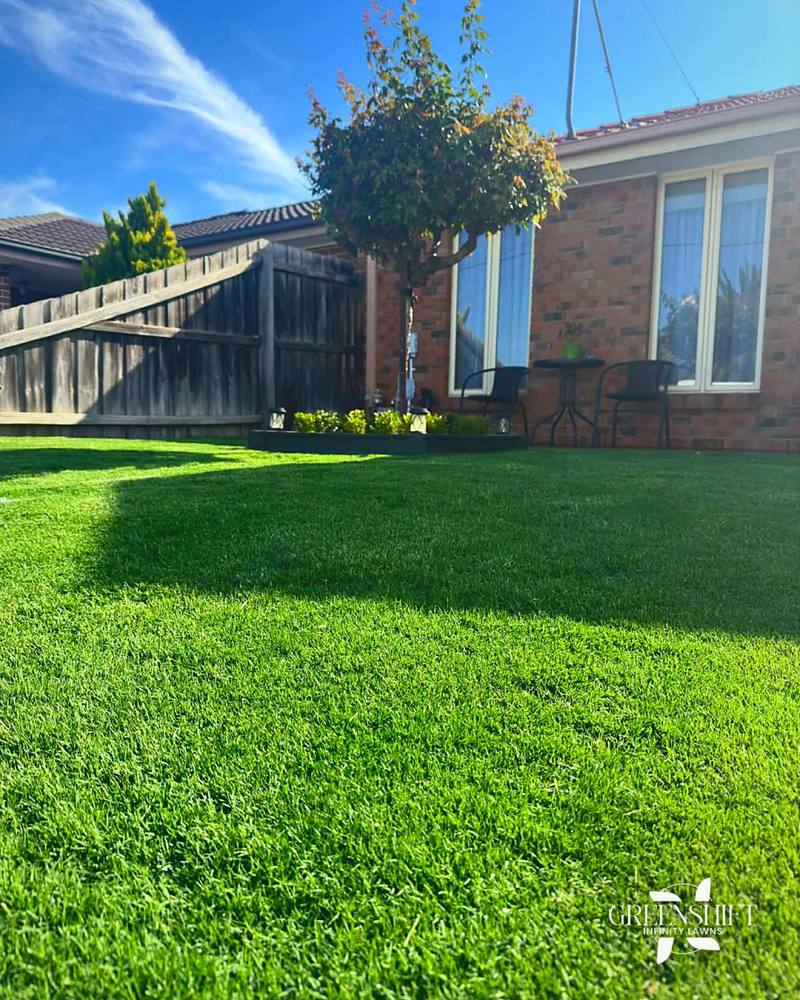
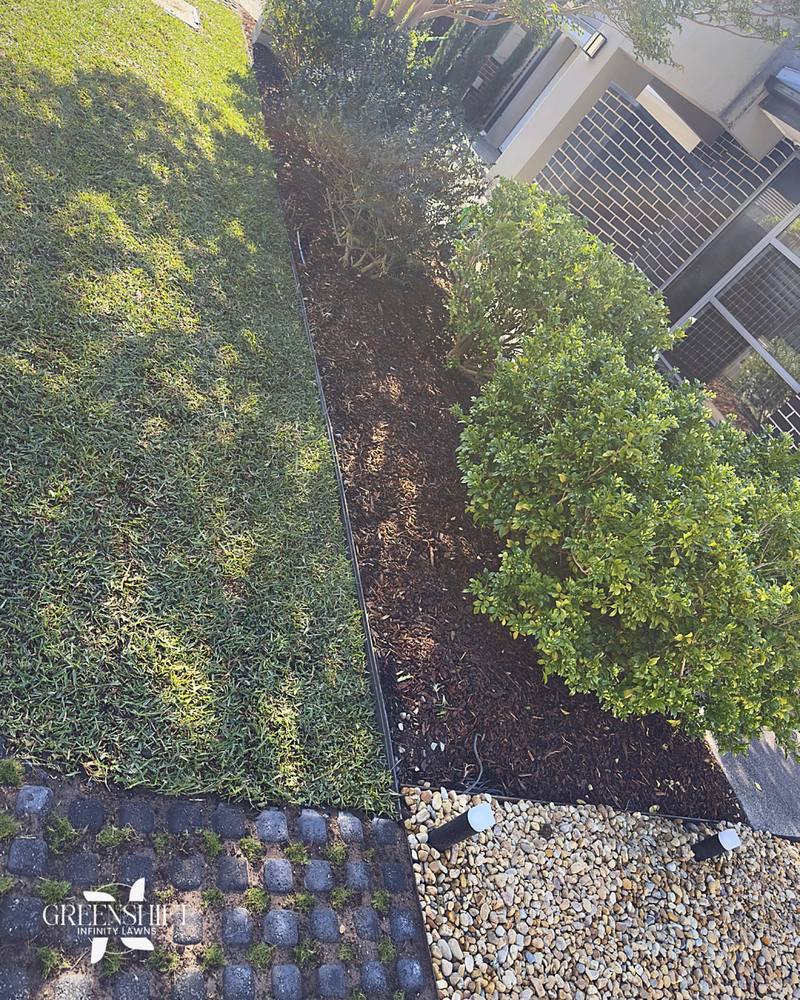
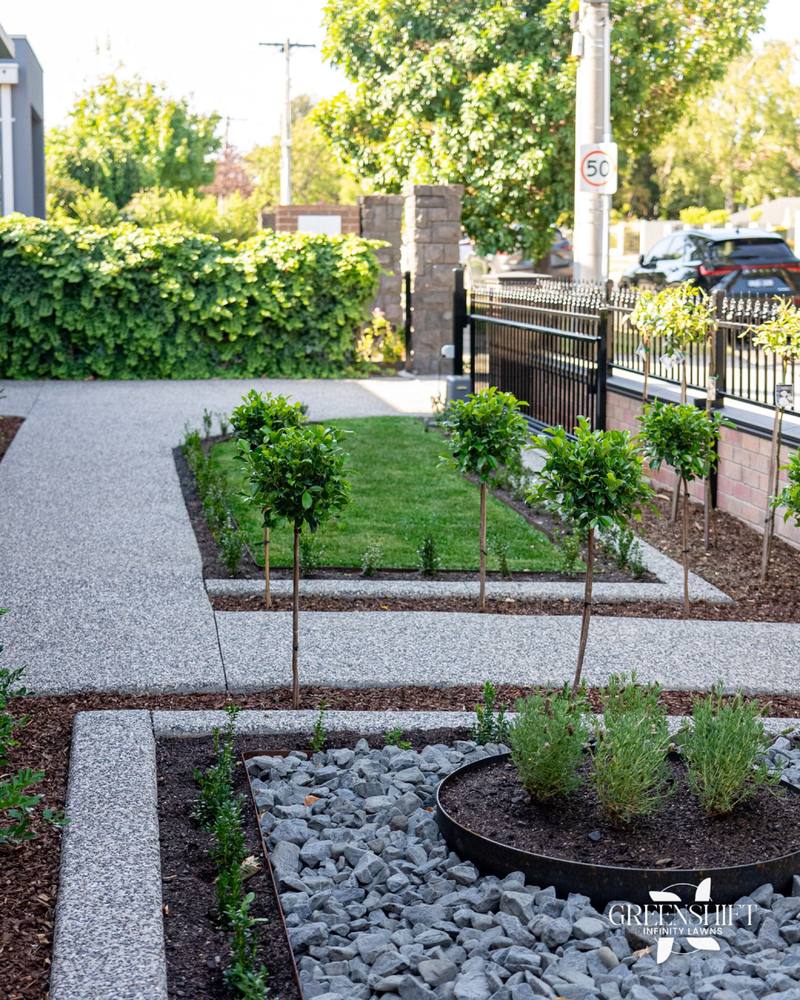
A front garden in Wantirna.
Written for the household at handover, October 2026.
Your lawn's story so far
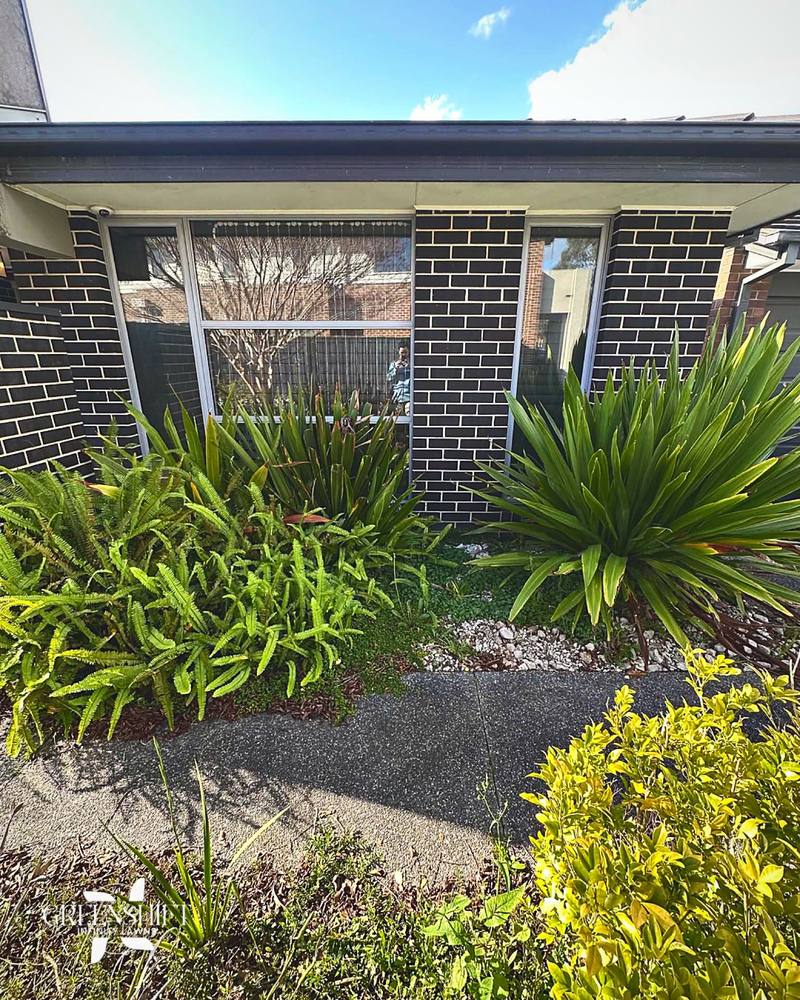
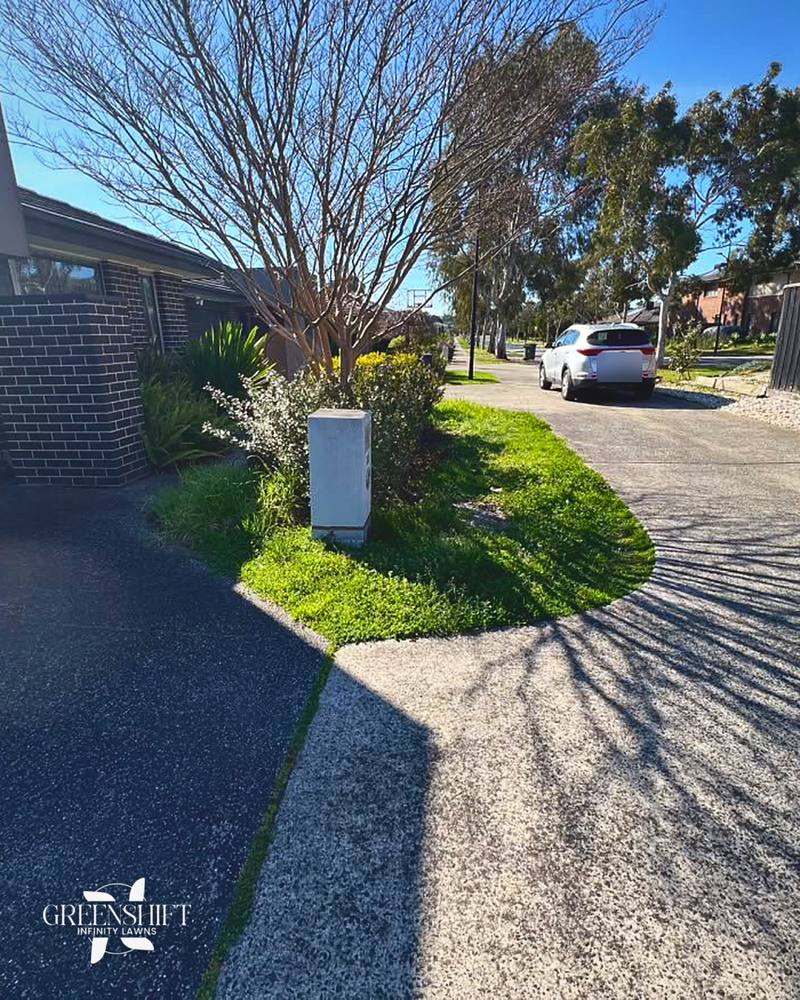
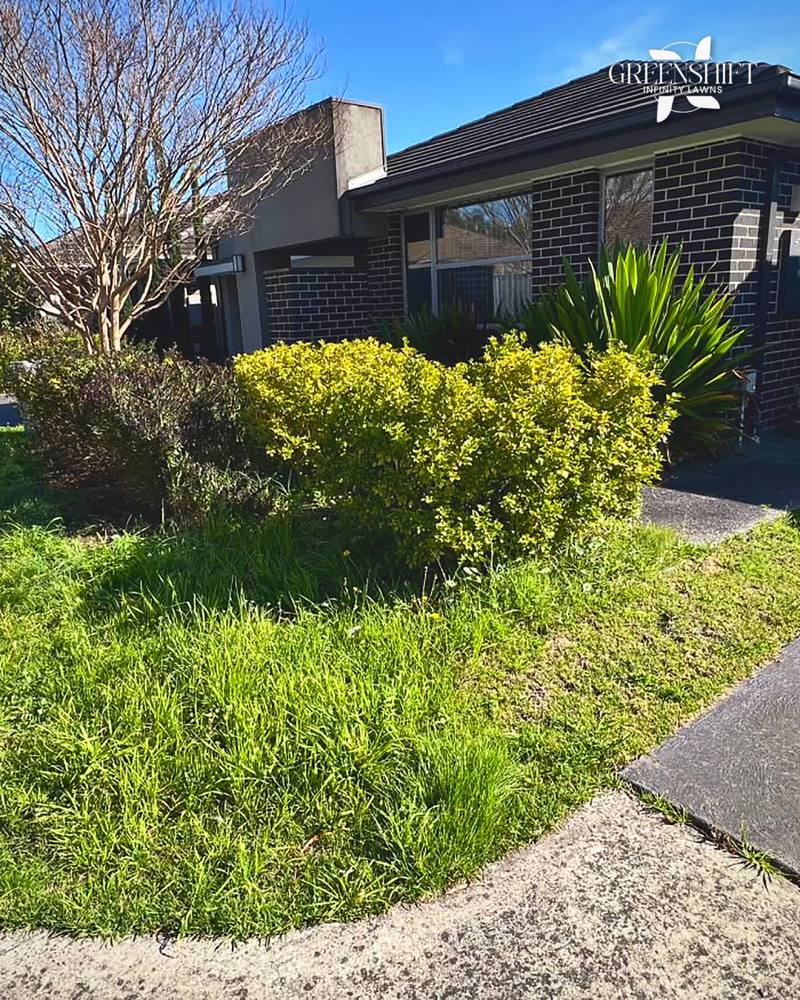
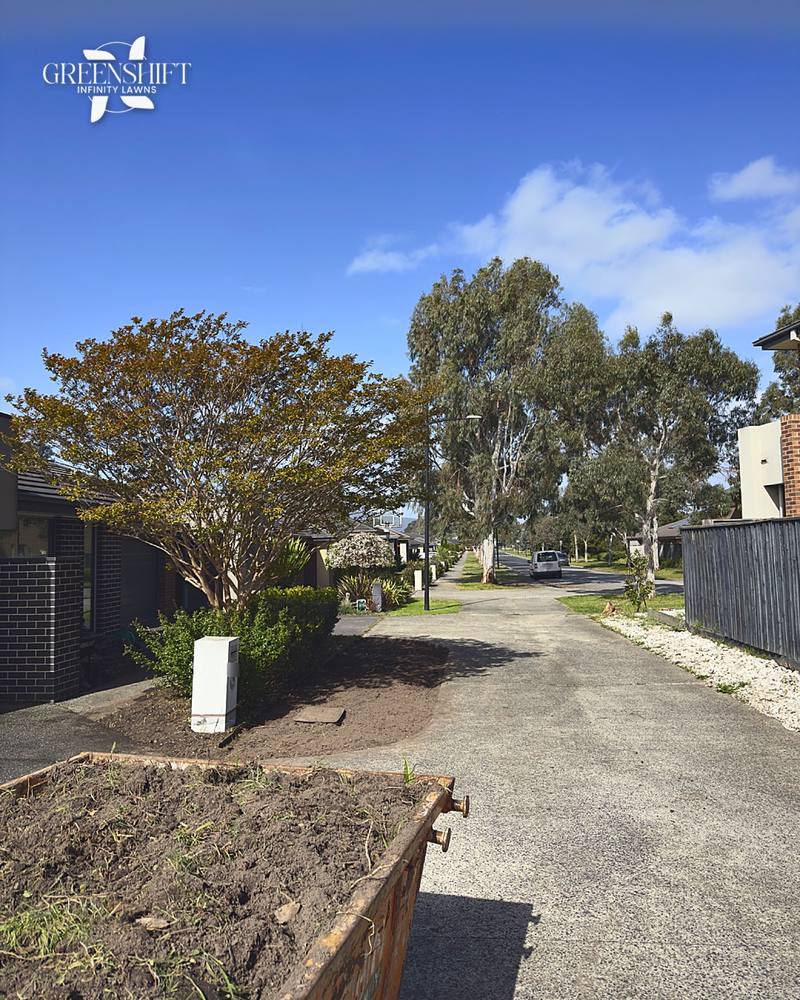
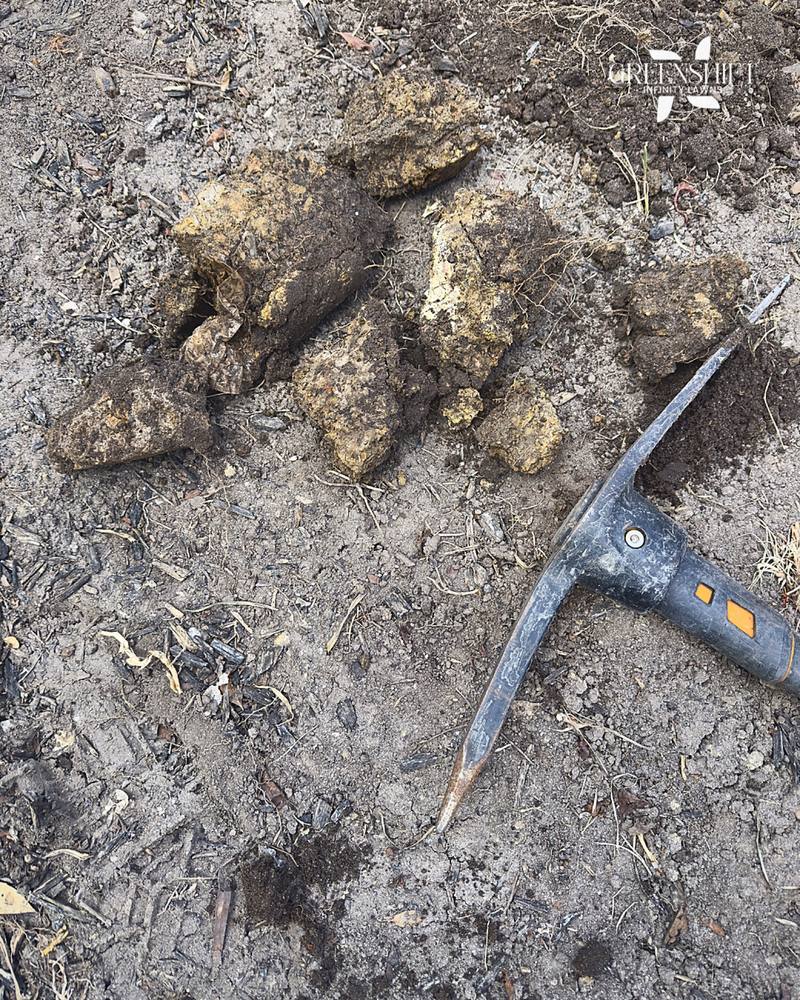
When we first walked the strip in September, it was living on about 120 to 150 mm of soil over heavy clay, with a pH of 6.0. Kikuyu and broadleaf weeds had moved in, fishbone fern had taken hold with its tubers, and the curve at the crossover had been compacted by cars cutting the corner. The micro sprinklers in the beds had reached the end of their useful life. That is a lawn that was installed once and left to survive, and it had done well to survive this long.
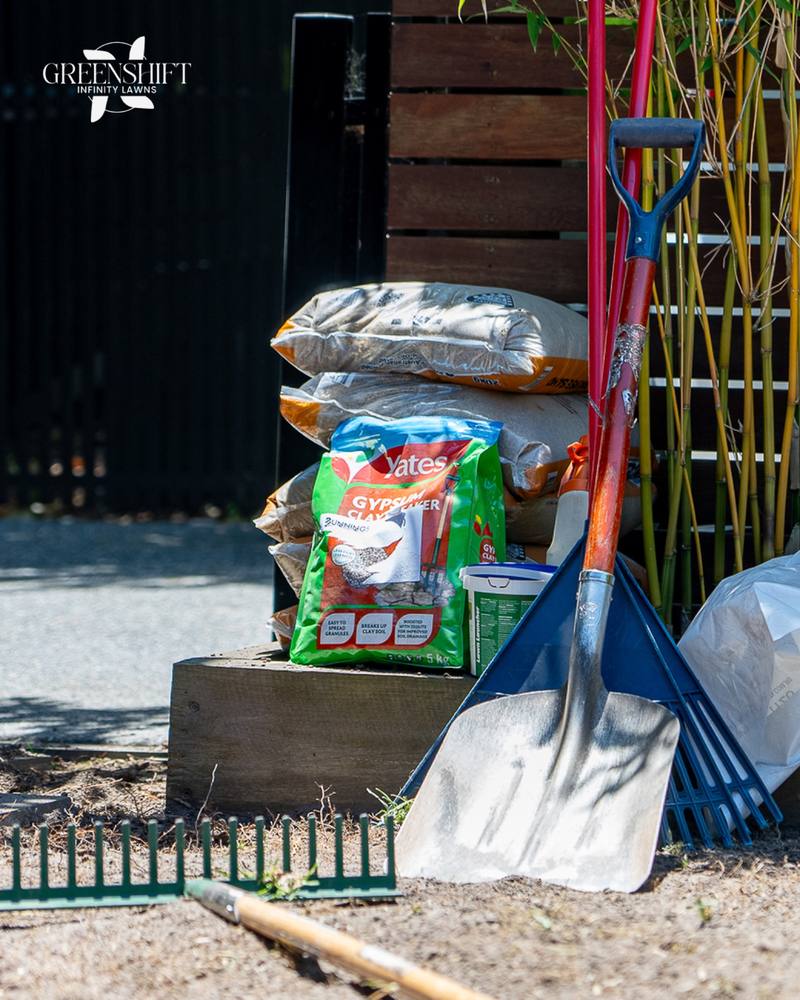
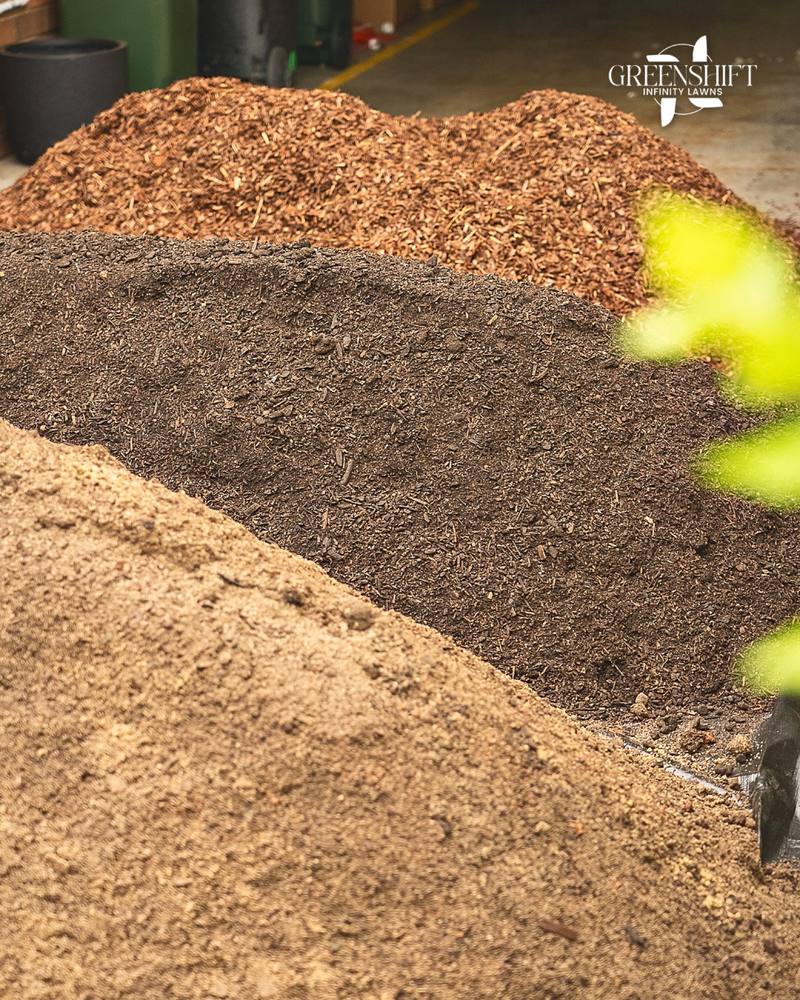
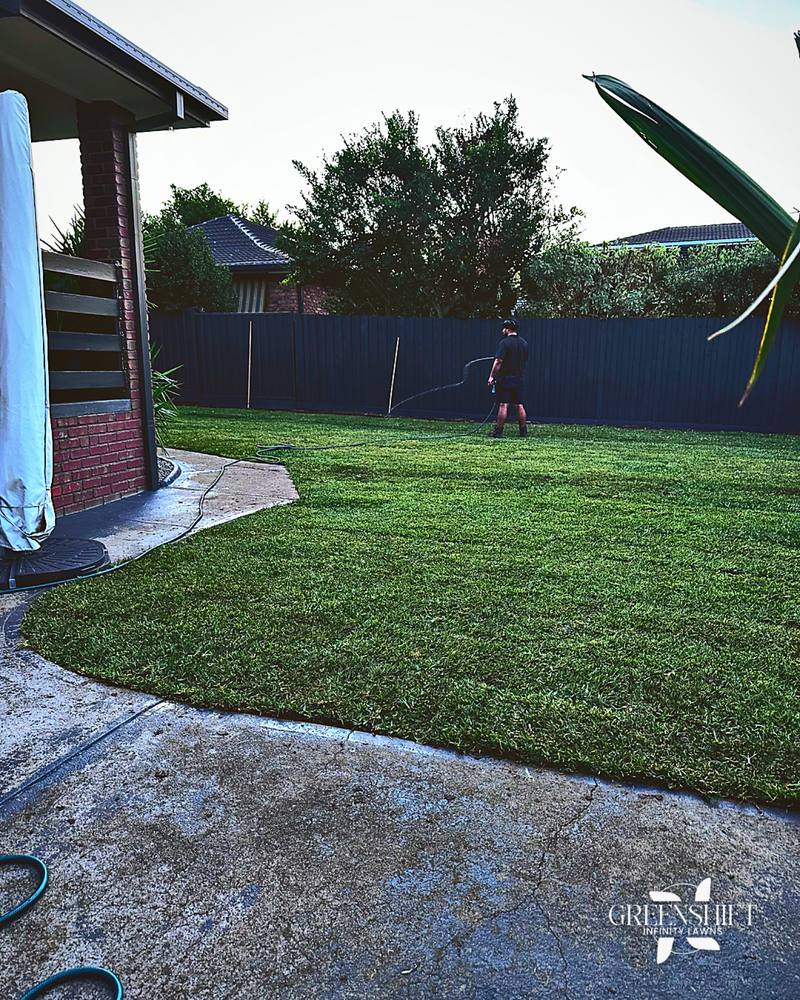
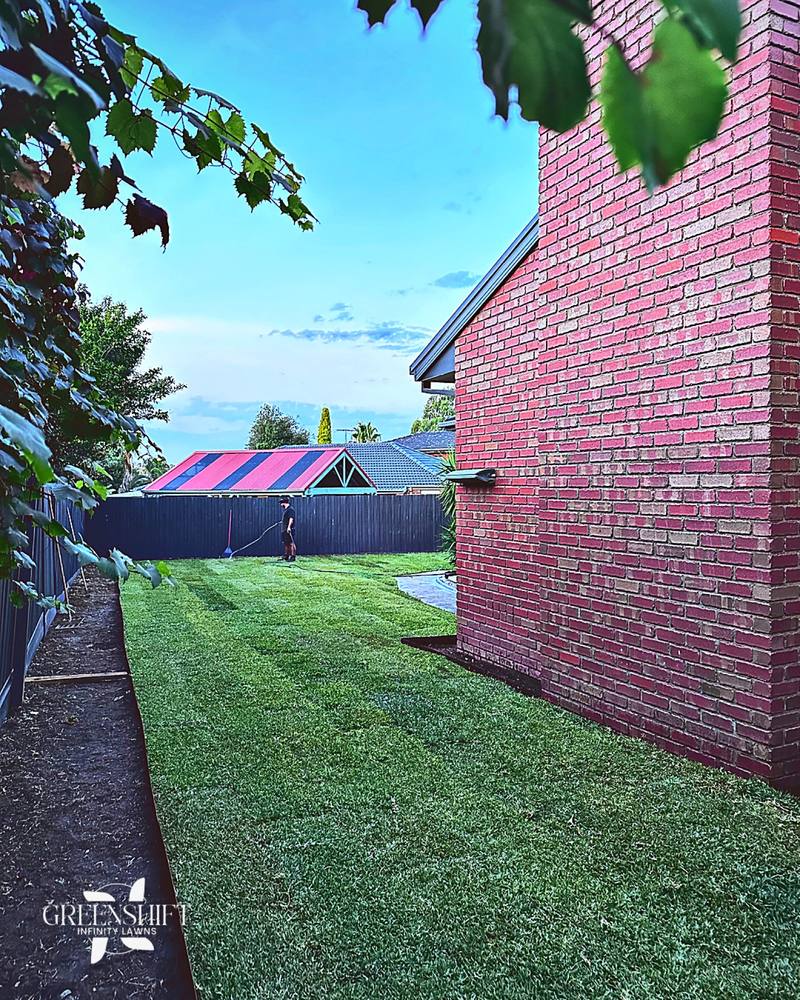
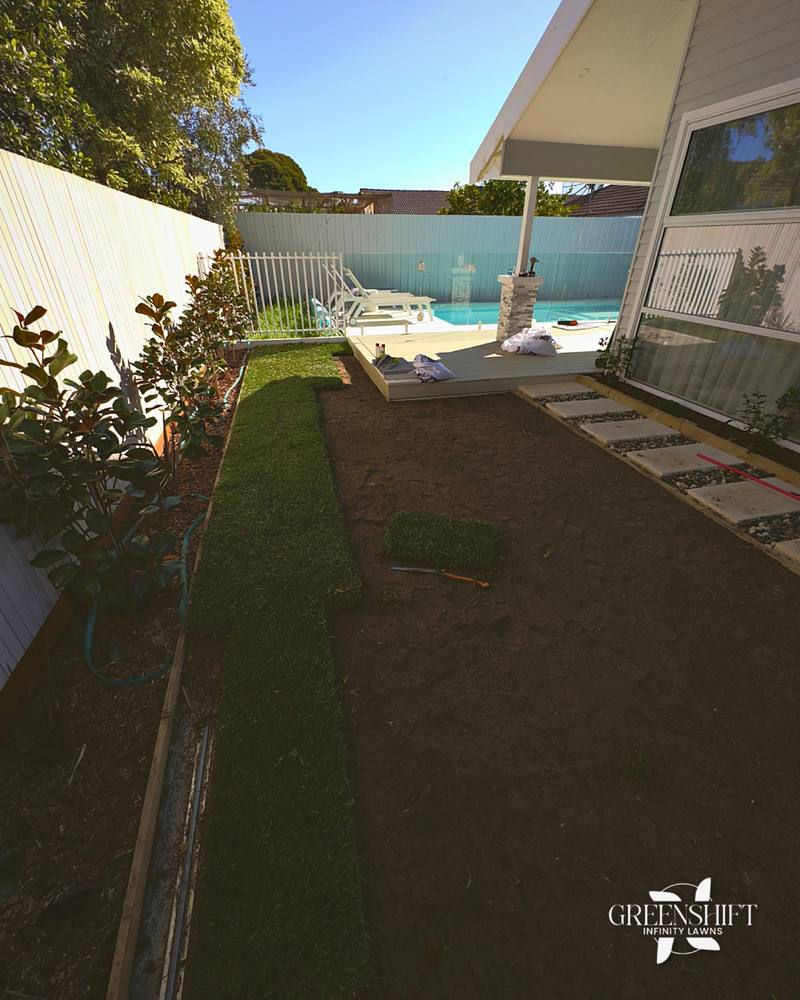
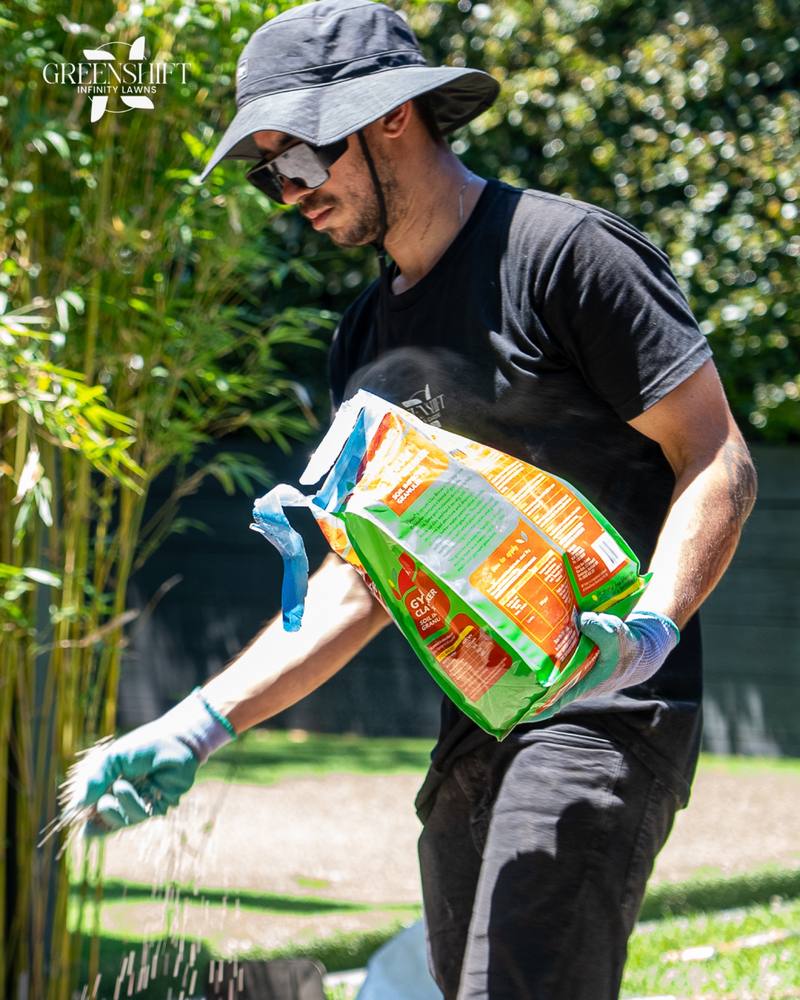
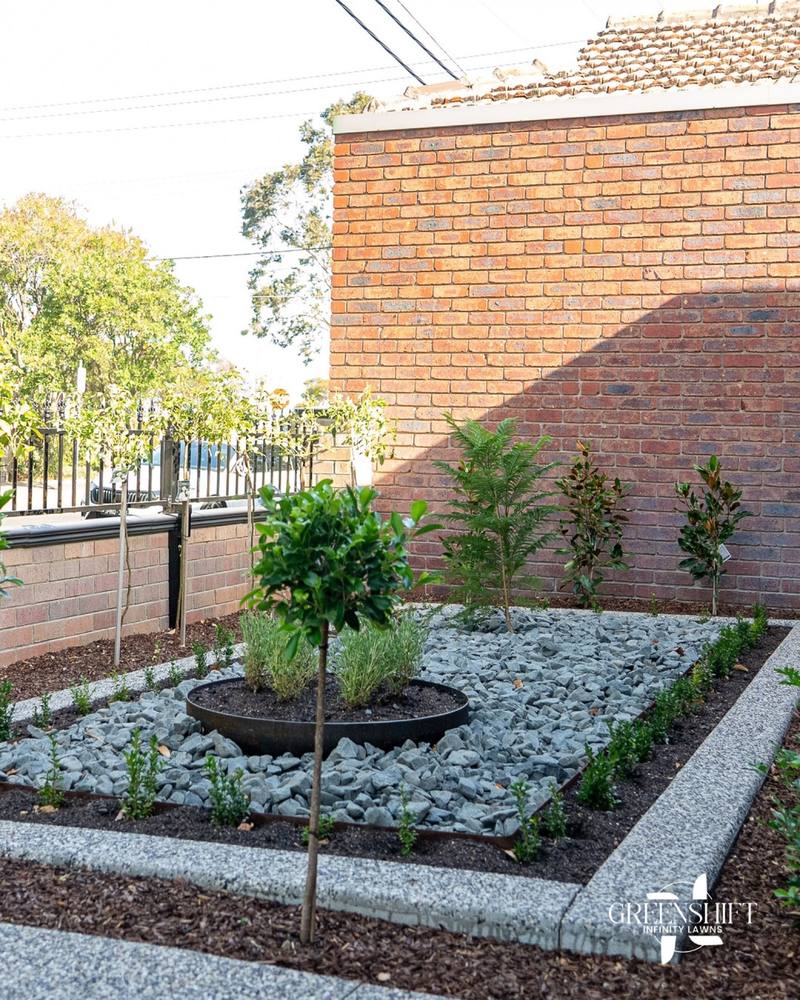
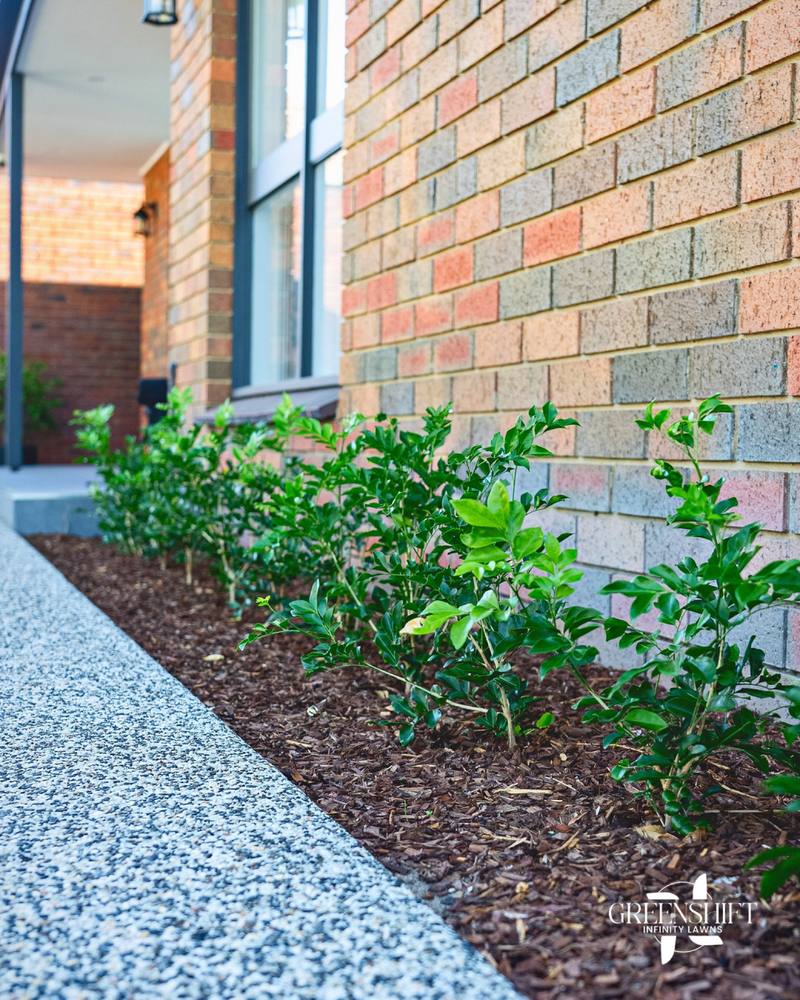
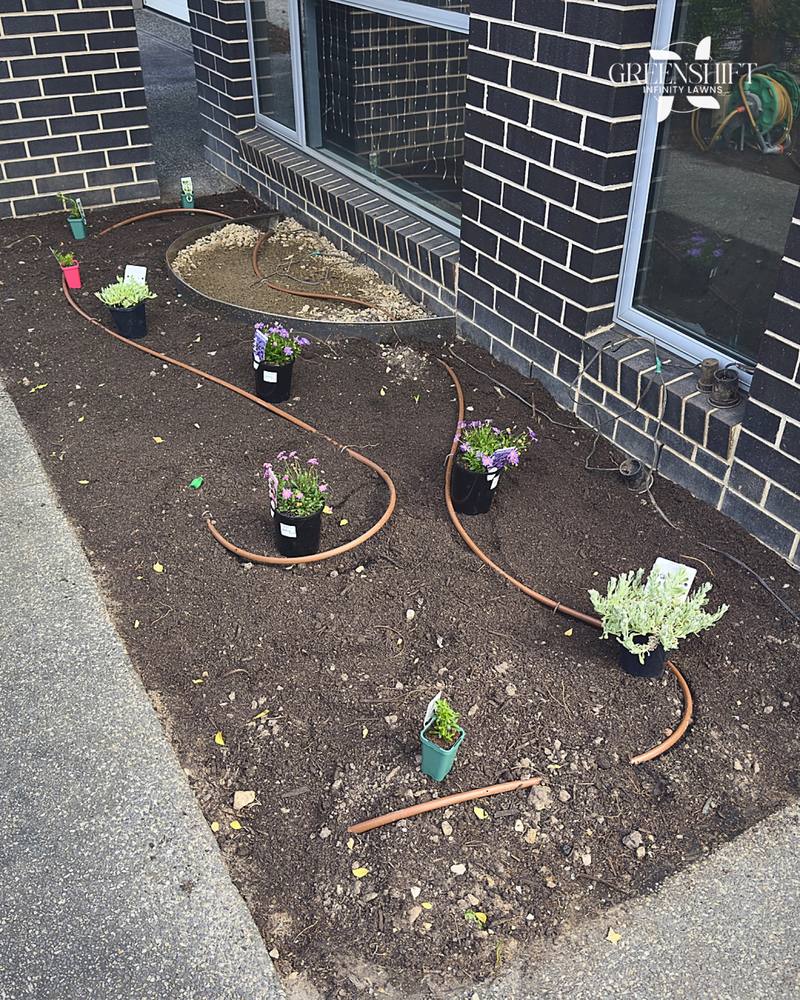
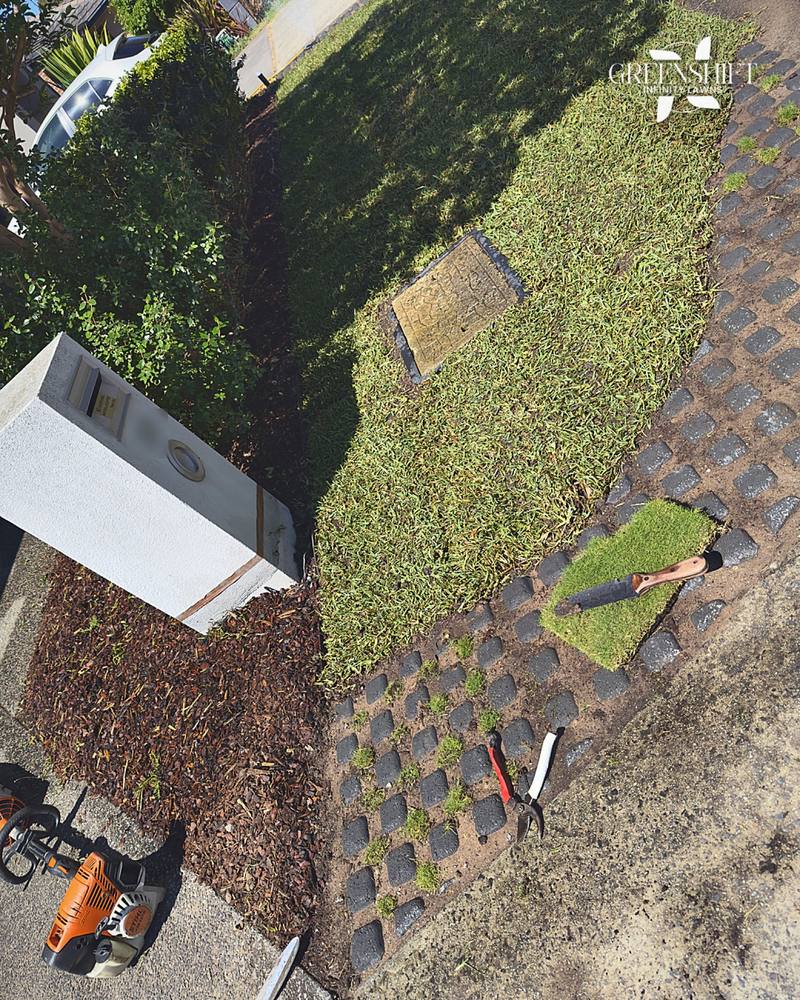
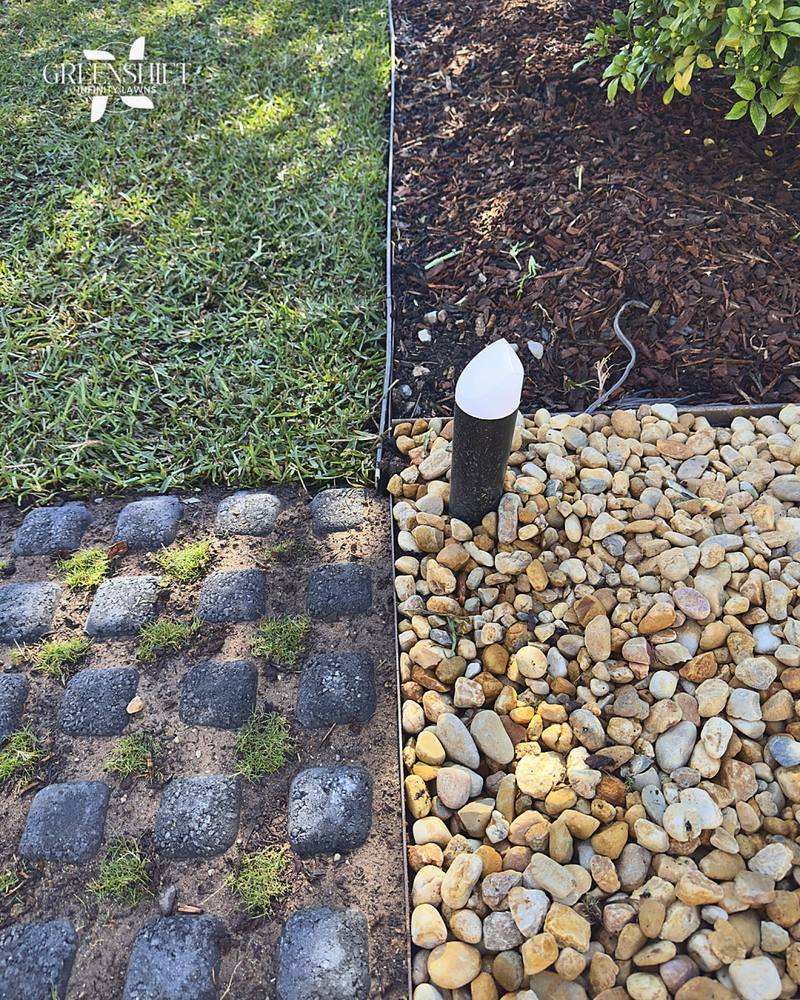
Underneath, the ground was ready for something better, so that is what we worked for. We lifted the strip, treated the clay with gypsum and rebuilt the soil, then laid Sir Walter buffalo, chosen for heavy clay. At both crossover corners we set Turf Grid pavers planted with no-mow zoysia, so tyres roll on paver, not turf. In the beds, the old micro sprinklers are replaced with 13 mm dripline under 100 mm of mulch, and the raised pocket now holds 17 natives (creeping boobialla, cut-leaf daisy and common everlasting) and 13 succulents chosen to live on very little water. Along the narrow run, weed mat and pebble, with a corten edge in place of the old timber.
Six things were on the list when we started. All six are addressed in this work.
This is chapter one. The buffalo is establishing, the dripline is on its schedule, and the natives are in their first season. We'll keep notes against what we measured in September, so the next chapter is written from your lawn's own readings, not from a guess.
More than lawns. A movement.
Every job is written up as a lawn story: what we found, what we did and why, and what comes next.