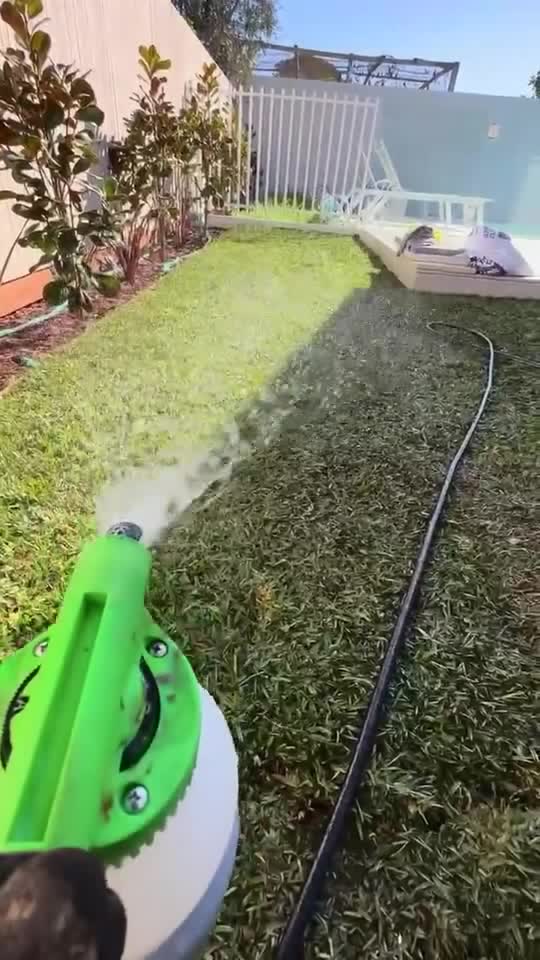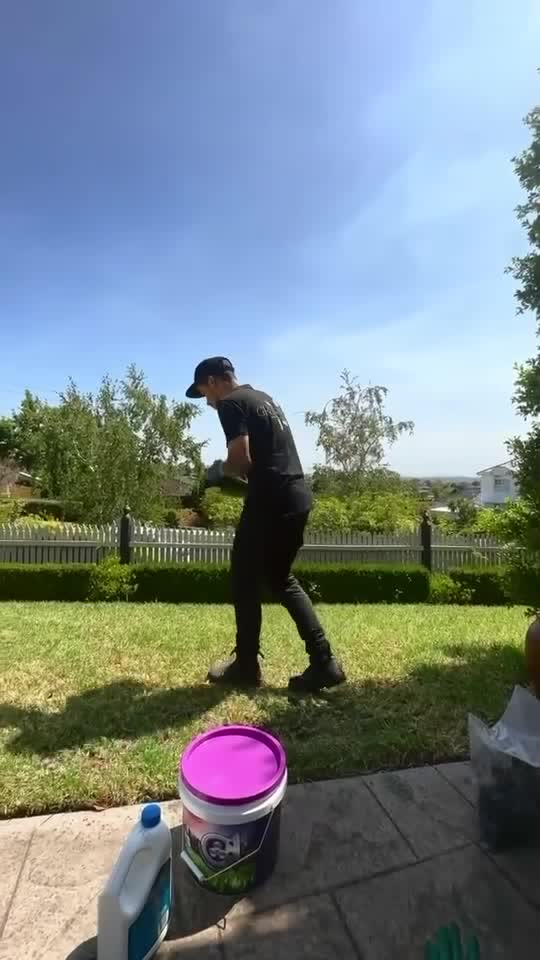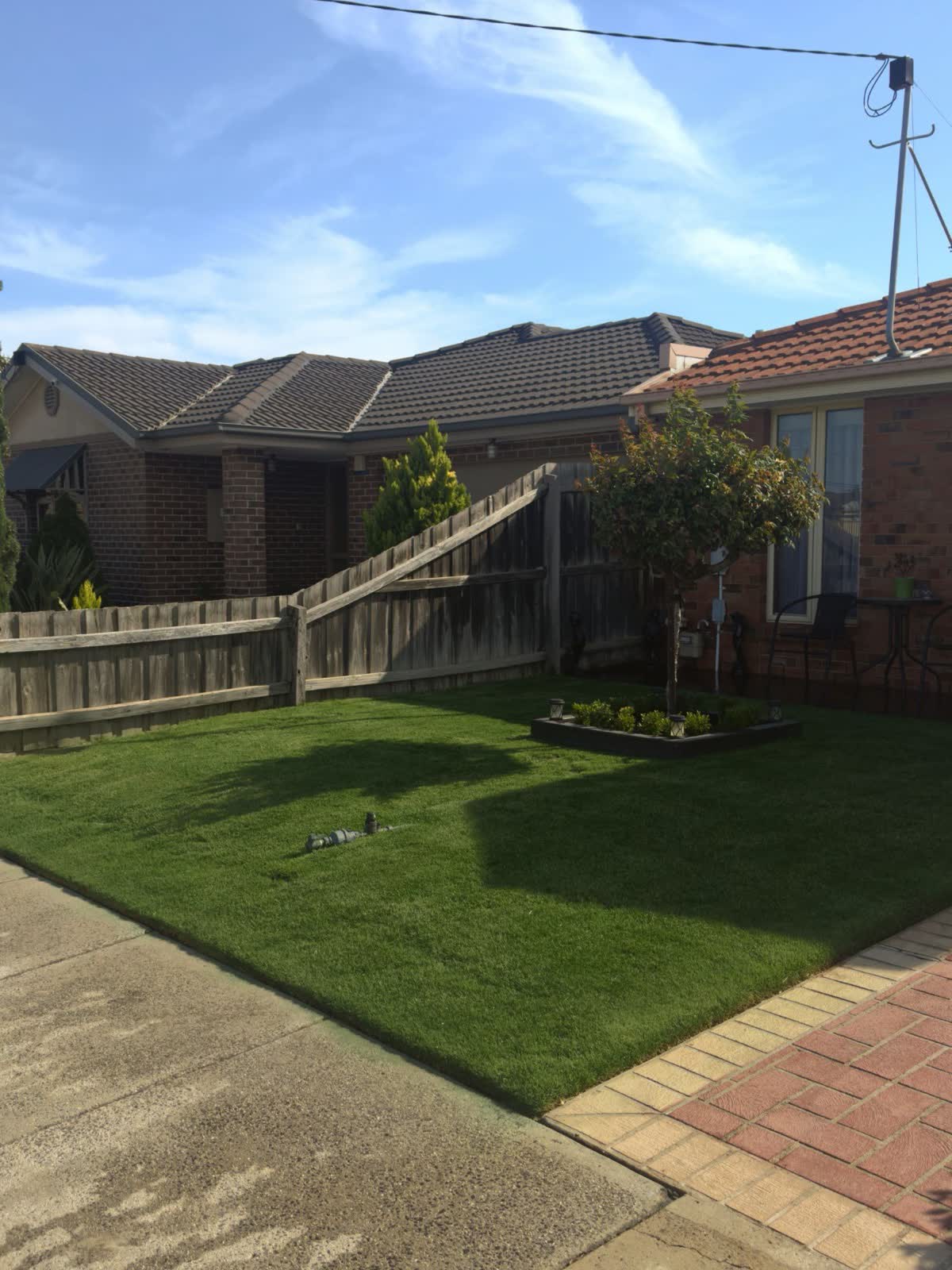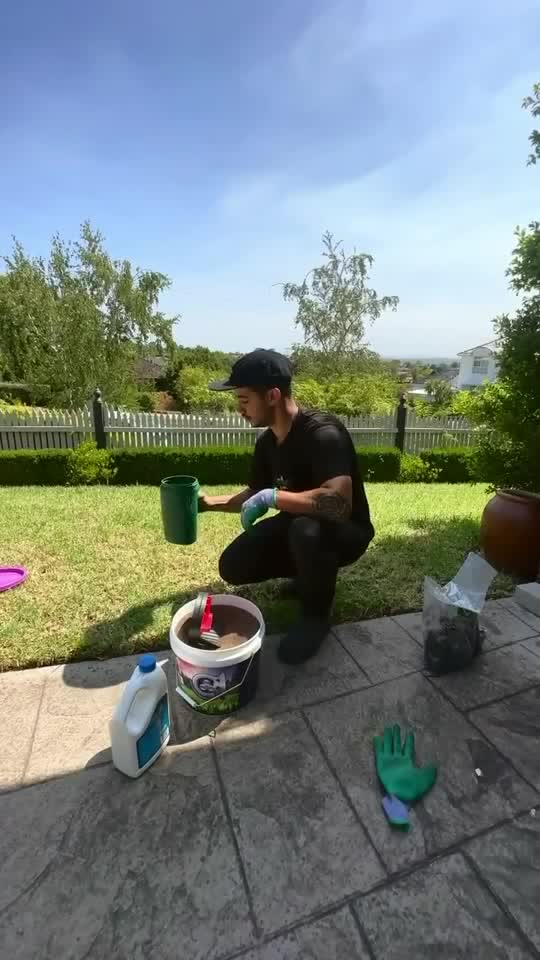
A weed is the lawn telling you where the ground is weak. Remove the weed, then fix what invited it.
Should lawn weeds be pulled or sprayed?
One approach treats every weed as something to spray on a schedule, whether there are three of them or three hundred. The other records the weed pressure and identifies the weeds first, and lets that decide: pulled by hand where spraying isn't necessary, a targeted treatment where it is. Both can give a clean-looking lawn for a few weeks. Only one puts down just what the lawn needs.
Why does removing weed roots matter?
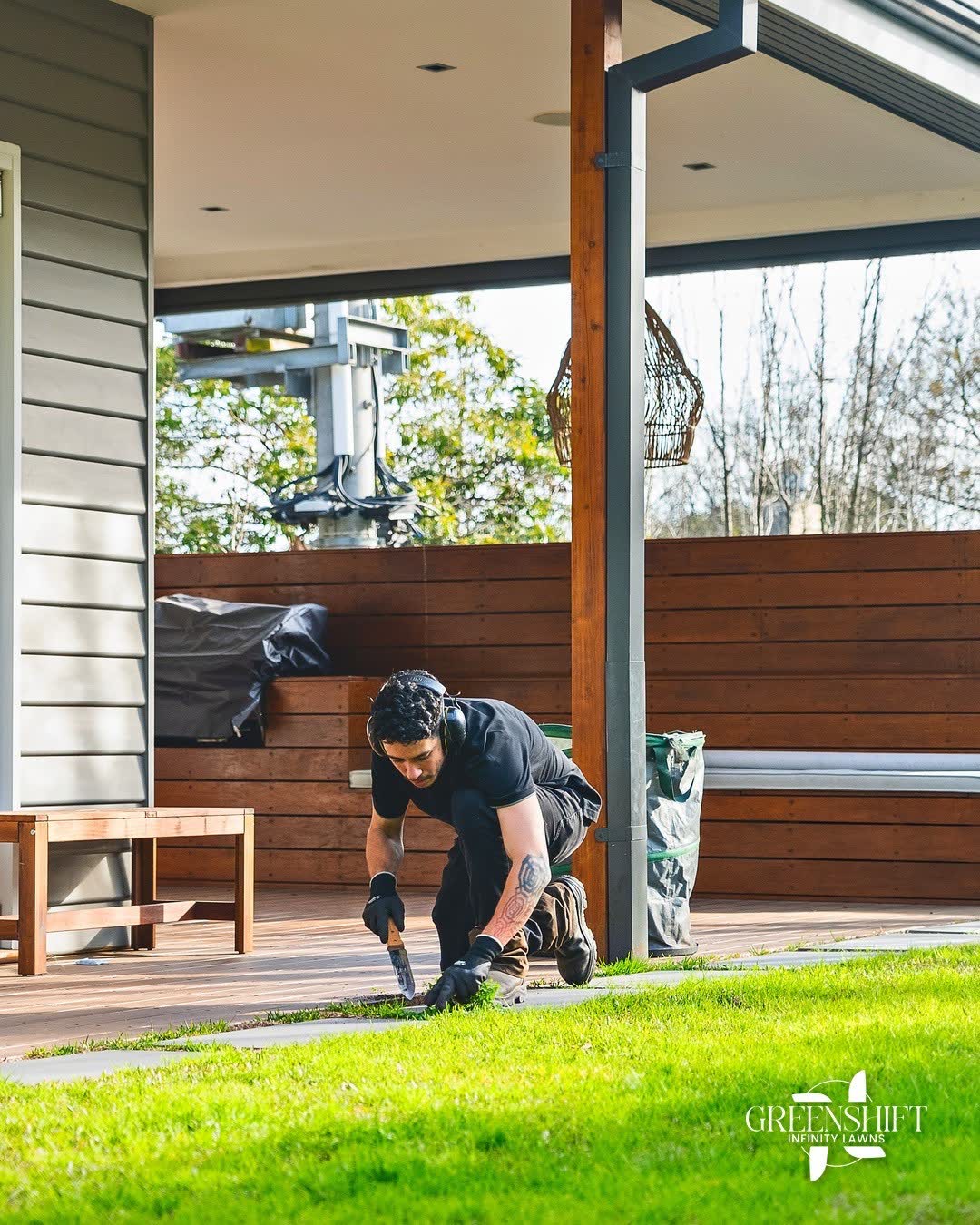
Many common lawn weeds in the inner south-east, like dandelion, flatweed and plantain, regrow from what's left below ground. Snapping the top off by hand or mower just prunes them. Pulled properly, with a weeding knife that lifts the taproot, they're far less likely to come back. Done every visit, fewer plants are left to set seed, so the weeds you see should fall season on season.
Onion weed is the exception. It comes back from small corms and bulbs that pulling tends to leave in the soil, so it's one of the weeds that has to be treated rather than pulled. Some weeds can't be pulled out cleanly and have to be sprayed, so the weed type matters as much as the pressure.
How is lawn weed pressure recorded?
Rather than eyeballing a lawn and reaching for a spray pack, we record it with our weed pressure calculator and note which weeds they are. At your first visit we estimate how much of the lawn is weeds, as a percentage, and note which weeds they are. On every visit after that, we record the weed pressure as light, moderate or severe, so what happens next rests on a record, not a hunch. The record decides which of two responses your lawn gets:
- Manageable pressure: pulled by hand on every visit, roots and all. This is the default, and it's how a clean lawn stays clean without spraying.
- Higher pressure: a one-off reset. A selective treatment, matched to your grass type, on the weeds that are up now, plus a pre-emergent to stop the next flush from seed. We tell you before anything goes on, then it's straight back to hand weeding.
| Manageable pressure | Higher pressure, or weeds that can't be pulled | |
|---|---|---|
| What it looks like | Scattered weeds | Weeds have taken hold, like bindii across half the lawn in October |
| What we do | Pulled by hand, roots and all | A selective treatment matched to your grass type, rotated, plus a pre-emergent where needed |
| Before anything goes on | No spray needed | We tell you first |
| Then | Recorded on every visit | Pressure recorded again; hand weeding once it allows |
When is spraying lawn weeds the right call?
There are honest cases for a spray, and they come down to the pressure and the weed. Bindii across half the lawn in October will set seed long before anyone can pull it all. Where summer grass came through heavily last season, a pre-emergent stops the next flush more reliably than pulling it once it's established. Where a spray is justified, the right product is a selective one matched to your grass type, because some products that are safe on couch or kikuyu will thin or kill buffalo. Herbicide is chosen, rotated and applied to the label, never out of habit.
Some weeds aren't a spray job at all. Couch creeping into a buffalo lawn can't be pulled out by hand, and no spray takes it out of buffalo cleanly either; it needs edging, a barrier and patience.
How do you stop weeds coming back?
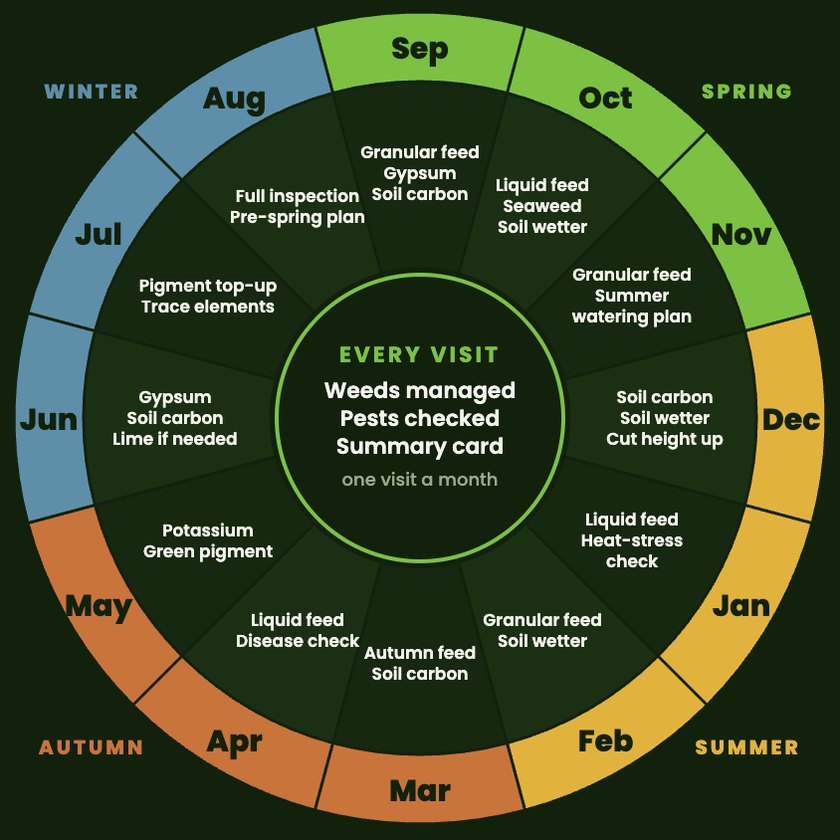
Weeds are opportunists. They move into thin, compacted, scalped or under-fed turf because the grass isn't holding the ground. That's why weed control on its own rarely stays solved. Raise the mowing height, open up compacted soil, feed the root zone and keep the lawn dense, and there's simply less room for weeds to start. That's the idea behind the custodian's lawn.
Common questions
Is it better to hand weed or spray lawn weeds?
For scattered weeds, pulling by hand with a weeding knife that lifts the taproot removes the plant and puts nothing down that the lawn doesn't need. A spray makes sense when the pressure is too high to pull, such as bindii across half the lawn in October. Weeds that regrow from bulbs or runners, like onion weed, have to be sprayed whatever the pressure. Our weed pressure calculator and the weed type decide which.
How do you record weed pressure?
At your first visit we estimate how much of the lawn is weeds, as a percentage, and note which weeds they are. On every visit after that, we record the weed pressure as light, moderate or severe, so what happens next rests on a record, not a hunch.
Why do weeds keep coming back in my lawn?
Many weeds regrow from roots left below ground, and weeds move into thin, compacted, scalped or under-fed turf because the grass isn't holding the ground. Pull them roots and all before they seed, raise the mowing height, open up compacted soil, feed the root zone and keep the lawn dense.
Do you spray weeds on the Infinity Lawns Program?
When the weed pressure calls for it. We record it on every visit with our weed pressure calculator and note the weed type: where spraying isn't necessary, weeds are pulled by hand; where it is, or the weed can't be pulled, a selective treatment is used, rotated and applied to the label by a ChemCert-accredited operator.
Fighting the same weeds every year? Your first visit is a Lawn Performance Assessment, included in your price. We record your weed cover and which weeds you have, and build them into your lawn's 12-month program.
See plans and pricesA regenerative lawn care specialist as custodian: we facilitate rather than impose, listening as much as we tend, and working with the rhythms of the living soil rather than against them.
Greenshift Infinity Lawns acknowledges the Wurundjeri Woi-wurrung and Bunurong / Boon Wurrung peoples of the Kulin Nation, the Traditional Owners and Custodians of the lands and waters of Melbourne's inner south-east on which we work. We pay our respects to Elders past and present, and recognise their continuing connection to this land, its waters, and its skies.